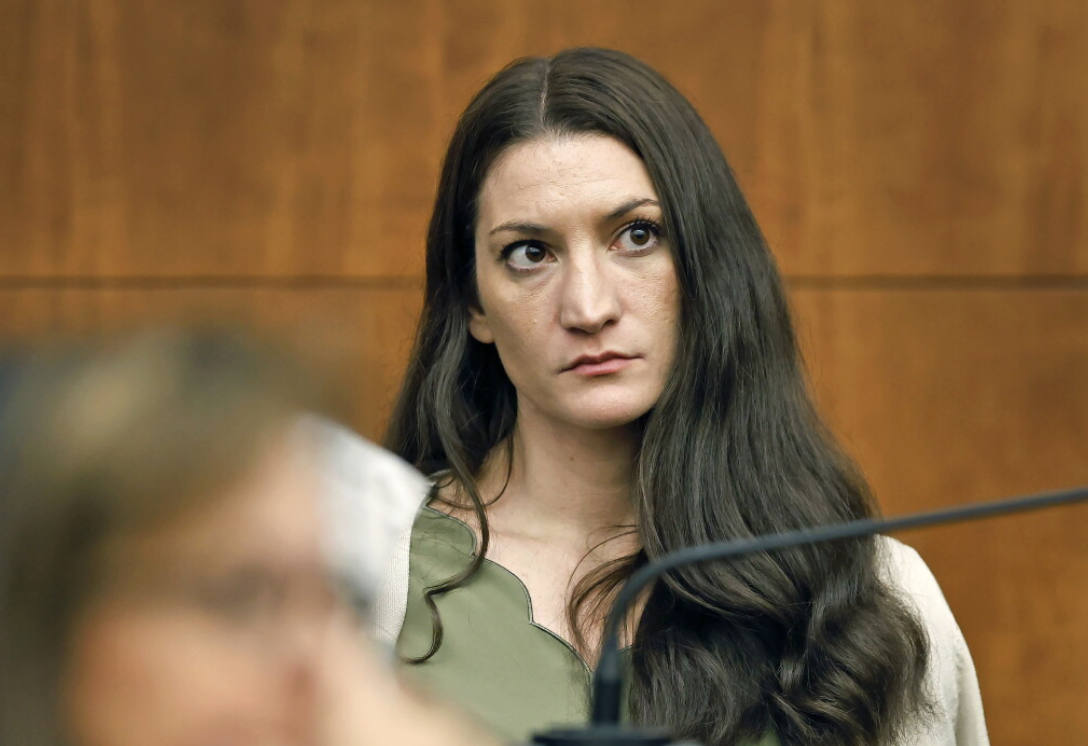

An Arizona couple is facing possible prison time after their parenting practices, shaped by online misinformation about medical care and nutrition, left their 5-month-old child dead and three other children suffering from chronic malnutrition, police and court records show. .
USA Today
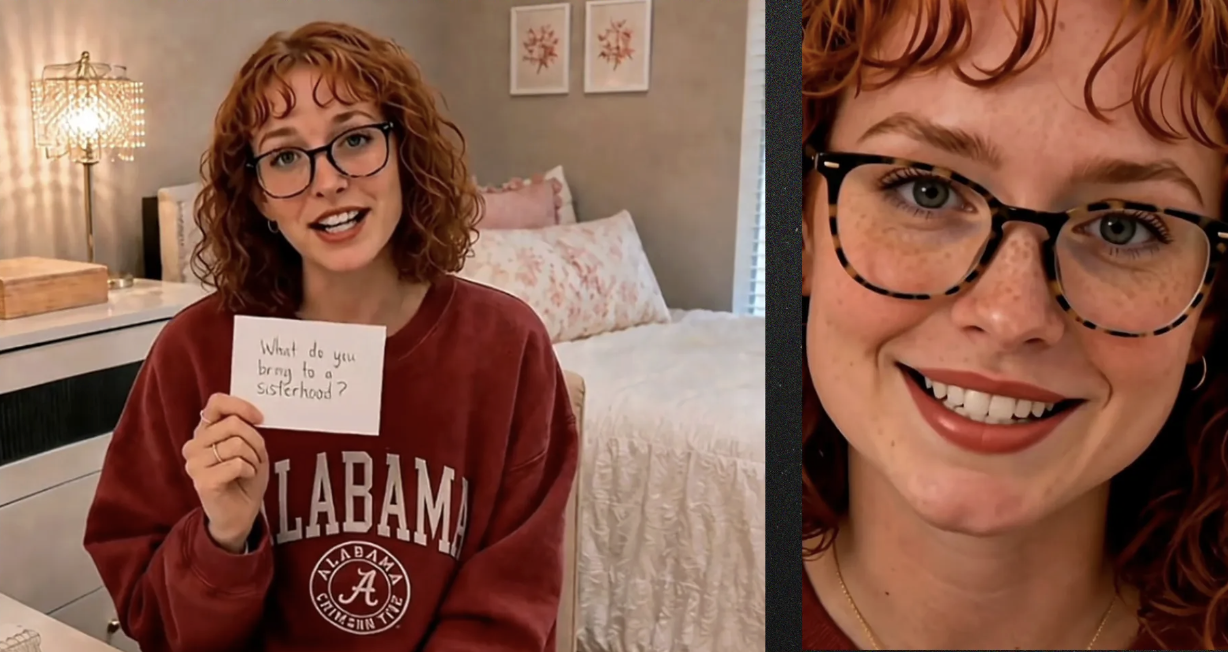
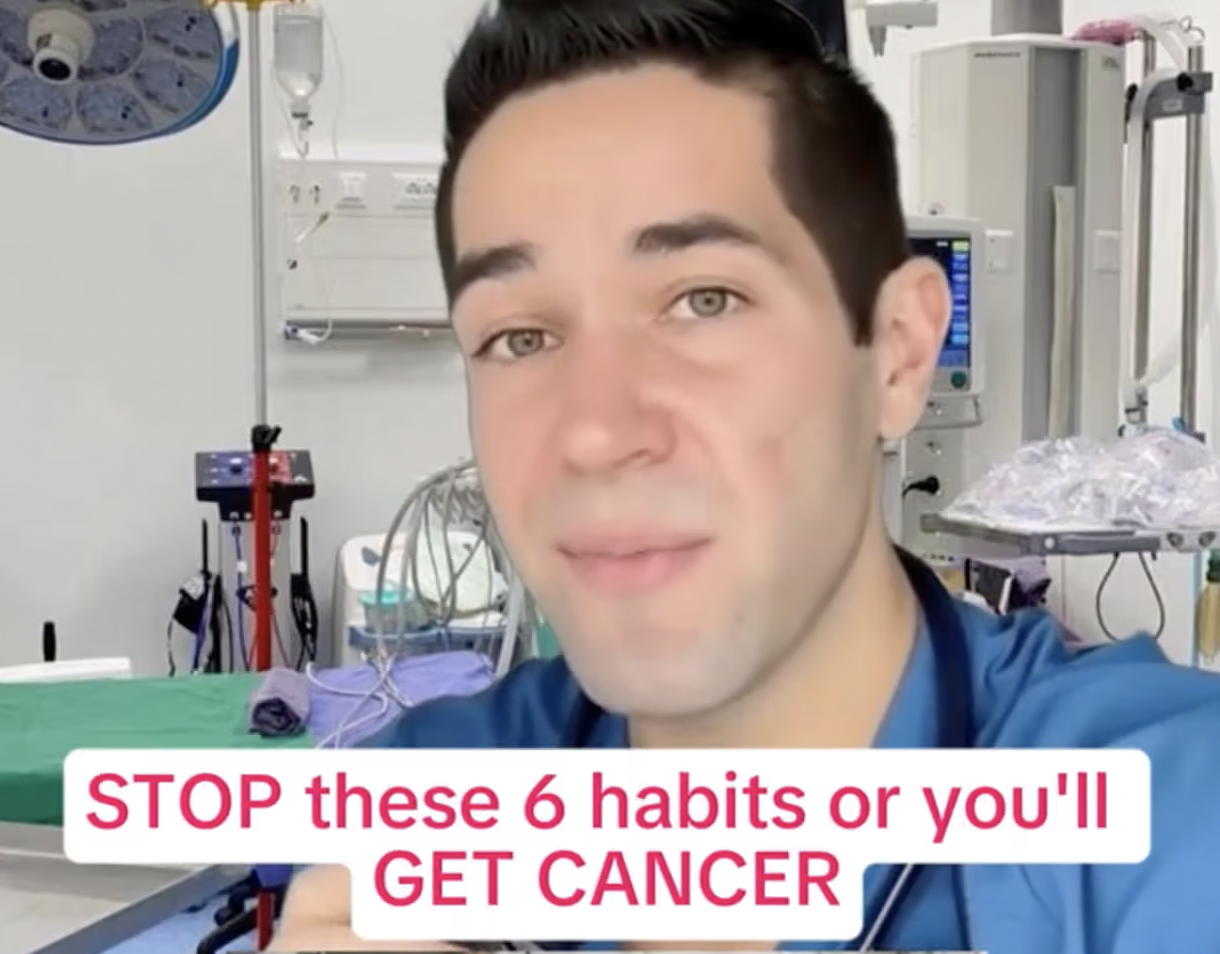
TikTok and other social media platforms are hosting AI-generated deepfake videos of doctors whose words have been manipulated to help sell supplements and spread health misinformation. The factchecking organization Full Fact has uncovered hundreds of such videos featuring impersonated versions of doctors and influencers directing viewers to Wellness Nest, a US-based supplements firm.
The Guardian
Why do some people endorse claims that can easily be disproved? It’s one thing to believe false information, but another to actively stick with something that’s obviously wrong. New research, published in the Journal of Social Psychology, suggests that some people consider it a ‘win’ to lean in to known falsehoods.
PsyPost.org
In a new study, researchers at Saarland University analyze how different websites treated robots.txt—and whether there Is a difference between sites measured as reputable versus not reputable, specifically in terms of whether or not they allowed crawling. For many AI companies, “It’s kind of a ‘do now and ask for forgiveness later’ thing,” the lead author says.
Fast Company
A new feature on X has stirred confusion, anger and a wave of online sleuthing after users discovered that the platform was suddenly displaying the surprising locations where certain accounts are based.
NBC News
A new study shows that Latinos who rely on Spanish-language social media for news are significantly more likely to believe false political narratives than those who consume English-language content. The research highlights growing concerns over misinformation targeting Spanish-speaking communities in the United States.
UC San Diego Today
It’s not a small thing that Larry Sanger, Wikipedia’s co‑founder turned chief critic, now argues that The Epoch Times should be treated as a reliable source. Over the past decade, Wikipedia has quietly become the backbone of the internet’s knowledge layer. Volunteer editors argue over wording, vet sources, and hash out disputes in public.
Renee DiResta / Agents of Influence
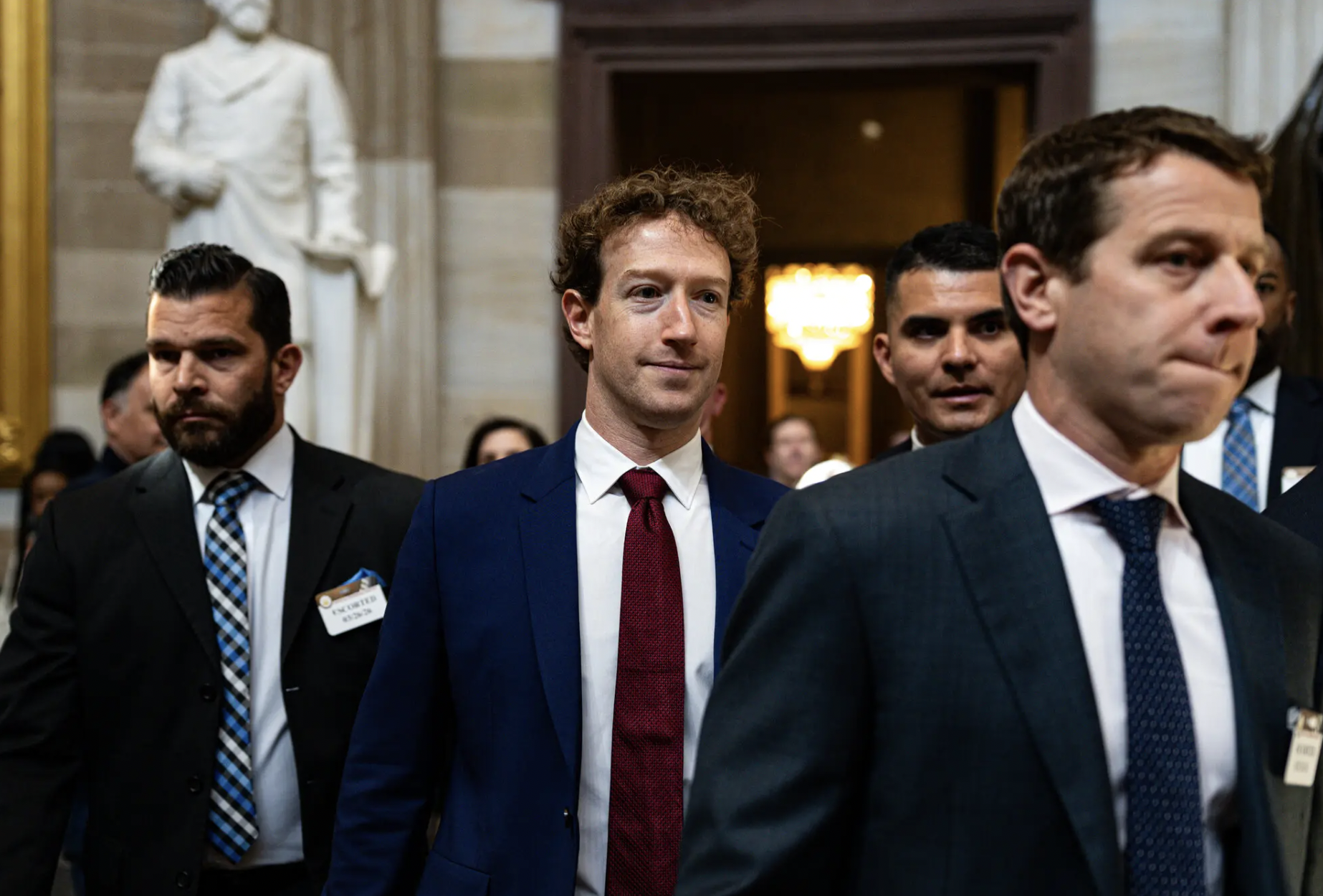
In June, the secure Signal account of a European foreign minister pinged with a text message. The sender claimed to be U.S. Secretary of State Marco Rubio with an urgent request. A short time later, two other foreign ministers, a U.S. governor, and a member of Congress received the same message.
Foreign Affairs
Europe is looking to online platforms and influencers to help fight disinformation and promote democracy according to a European Commission strategy presented on Wednesday amid concerns over interference by foreign governments in national elections.
Reuters
The Trump administration has dismantled a number of U.S. government defenses against foreign disinformation campaigns. But the French government has been doubling down on its efforts to call out foreign propaganda efforts.
The New York Times
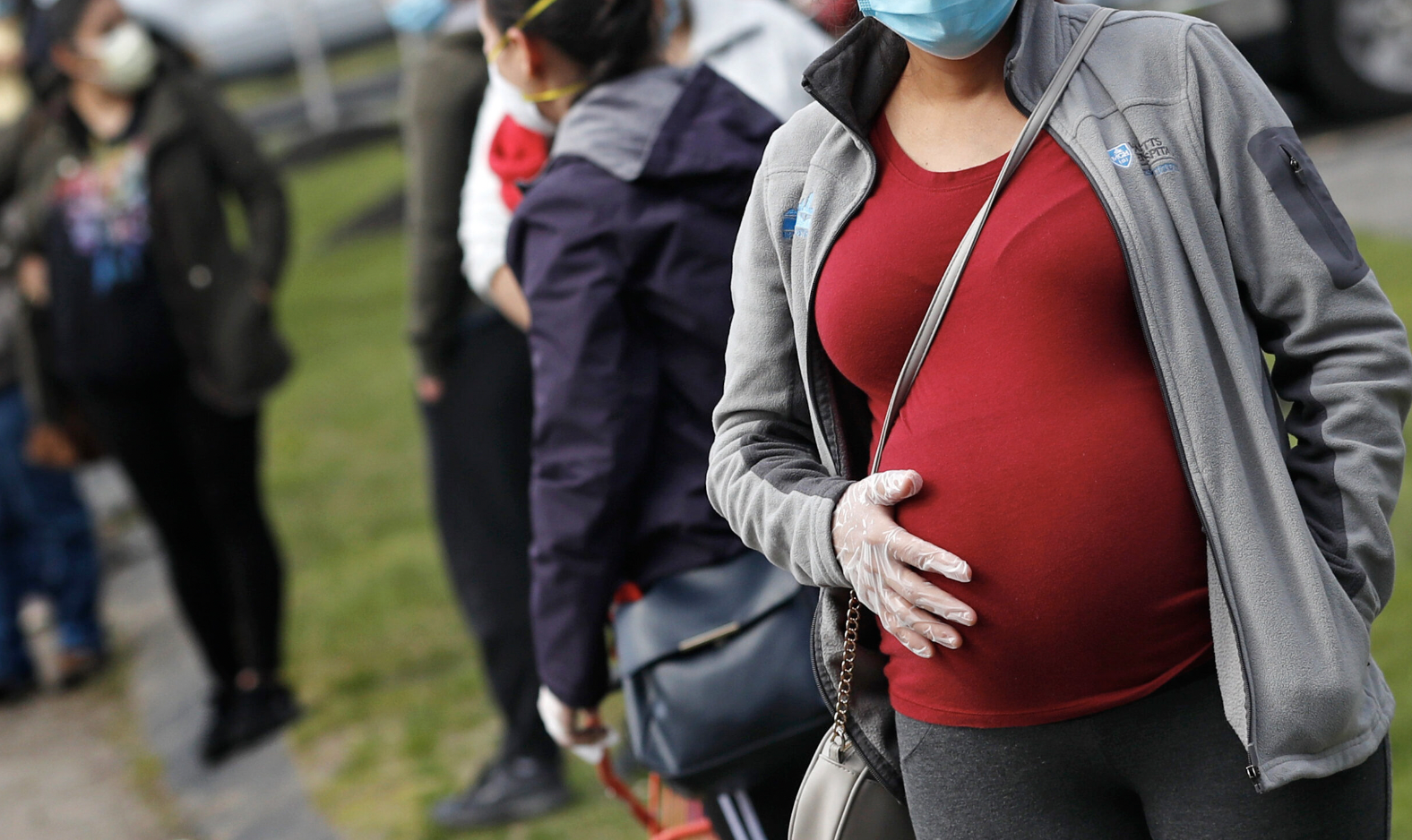
Former U.S. Surgeon General Jerome Adams says there is still a lot of ‘misinformation circulating’ around vaccines in the U.S., despite data indicating that most Americans follow their doctor’s recommendations.
The Hill
The Innovation Incubator at California Polytechnic State University, San Luis Obispo, is launching a new pop-up course this upcoming spring titled, Drowning in BS: Conspiracies, Urban Legends and AI Slop in the Digital World, which will examine how misinformation spreads in online spaces.
Cal Poly Pomona News
Someone I know became a conspiracy theorist seemingly overnight. It was during the pandemic, and out of nowhere, they suddenly started posting daily on Facebook about the dangers of covid vaccines and masks, warning of an attempt to control us and keep us in our places.
MIT Technology Review
The European Union today plans to announce the creation a Centre for Democratic Resilience to counter disinformation from Russia and other authoritarian regimes, according to a leaked paper.
The Guardian
At the University of Illinois Office of Civic Life’s Democracy Summit last month, author Barbara McQuade of the University of Michigan addressed the growing threat of misinformation and its impacts on society.
The Daily Illini
Comments from ordinary users on social media platforms can be a force for good, helping others identify false information and navigate what is accurate, new research shows.
Science X / Phys.org
Michael Miller, MD, helps us understand misinformed people and their sources of misinformation, which research shows begins with bad health care experiences that leads people to mistrust the health care system, clinicians and scientists.
Psychology Today
Falsehoods, fabrications, fake news – disinformation is nothing new. For centuries, people have taken deliberate action to mislead the public. In medieval Europe, Jewish communities were persecuted because people believed conspiracy theories suggesting that Jews spread the Black Death by poisoning wells.
BBC
OpenAI’s new text-to-video AI generator Sora 2 produced realistic videos advancing provably false claims 80 percent of the time (16 out of 20) when prompted to do so, a NewsGuard analysis found,
NewsGuard
Every day we interact with endless media all around us: pictures, articles, T.V. shows, podcasts, advertisements, social media posts, and headlines just to name a few.
National Association for Media Literacy Education