How the experts figure out what’s real in the age of deepfakes
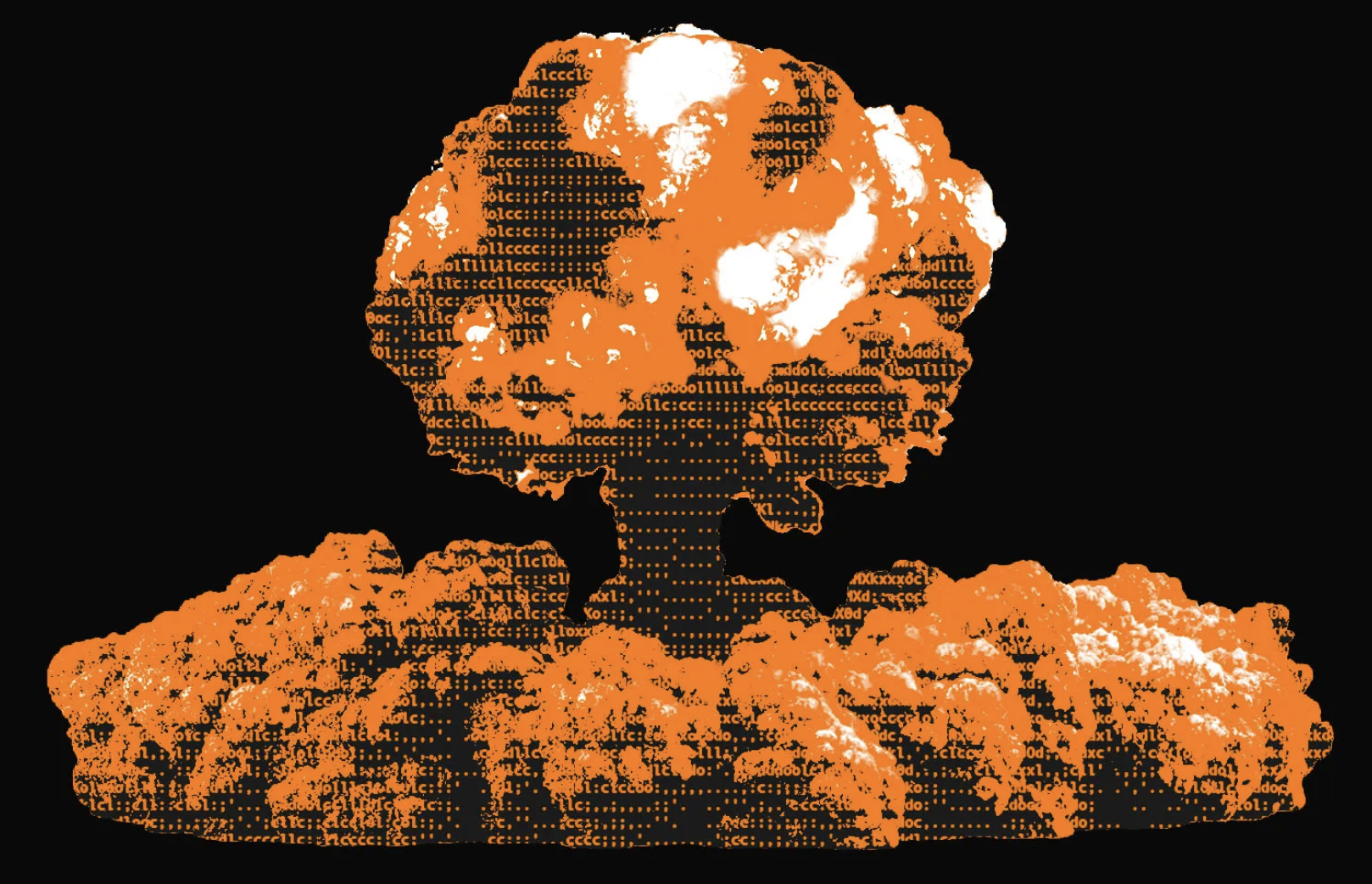
Our trust in online images and videos is being eroded by AI, misinformation, and video game clips. Photo illustration by Cath Virginia / The Verge, Getty Images
The Verge
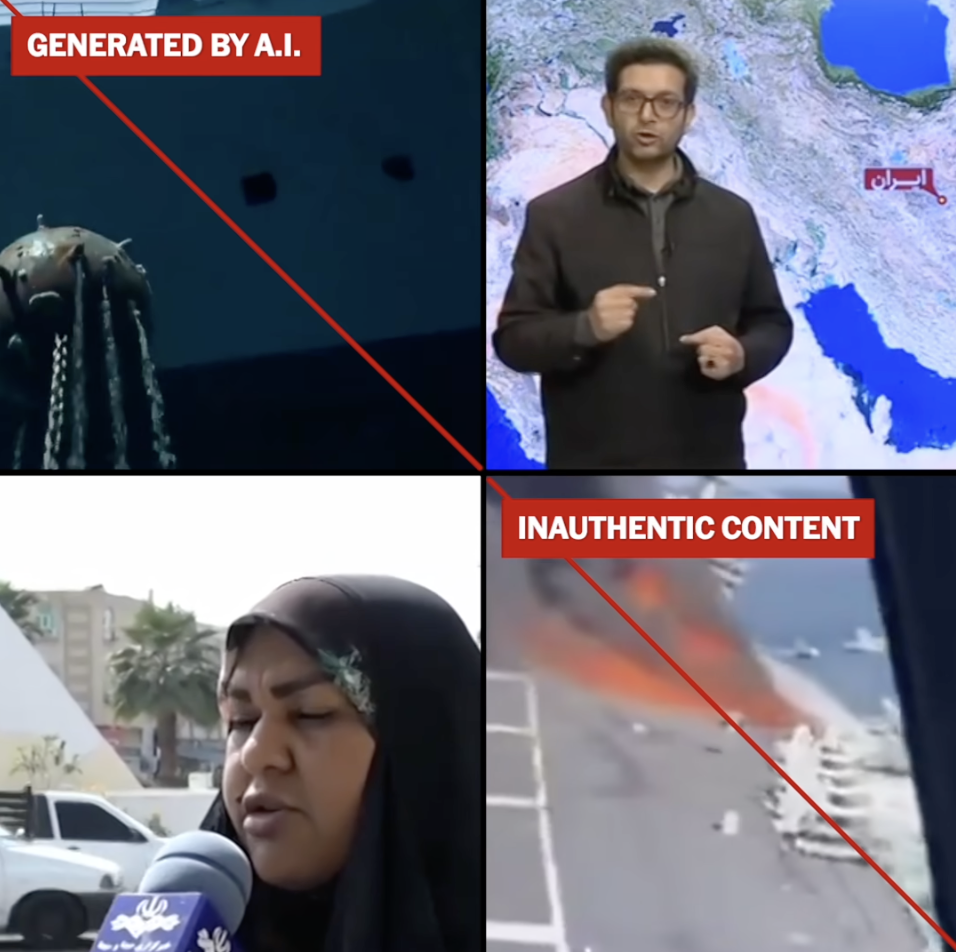
In the days that followed the US and Israel’s joint military strike on Iran on Saturday, floods of images and videos that supposedly document the war have appeared online. Some are old or depict unrelated conflicts, are made or manipulated with AI, and in some cases, are actually taken from military-themed video games like War Thunder.
With misinformation spreading like wildfire, many people have placed their trust in reputable digital investigators. Organizations like The New York Times, Indicator, and Bellingcat have extensive verification procedures to avoid publishing synthetic or misleading content. “Audiences can turn to trusted, independent news organizations that take the time and effort to authenticate visuals and clearly explain sourcing,” Charlie Stadtlander, executive director for media relations and communications at The Times, told The Verge. Media authentication methods are rarely foolproof, but standards are extremely high, and experts have years of experience with evading fake news.
NEWSGUARD: IRAN GOES ON A DISINFORMATION OFFENSIVE
ADDITIONAL NEWS FROM THE INTEGRITY PROJECT