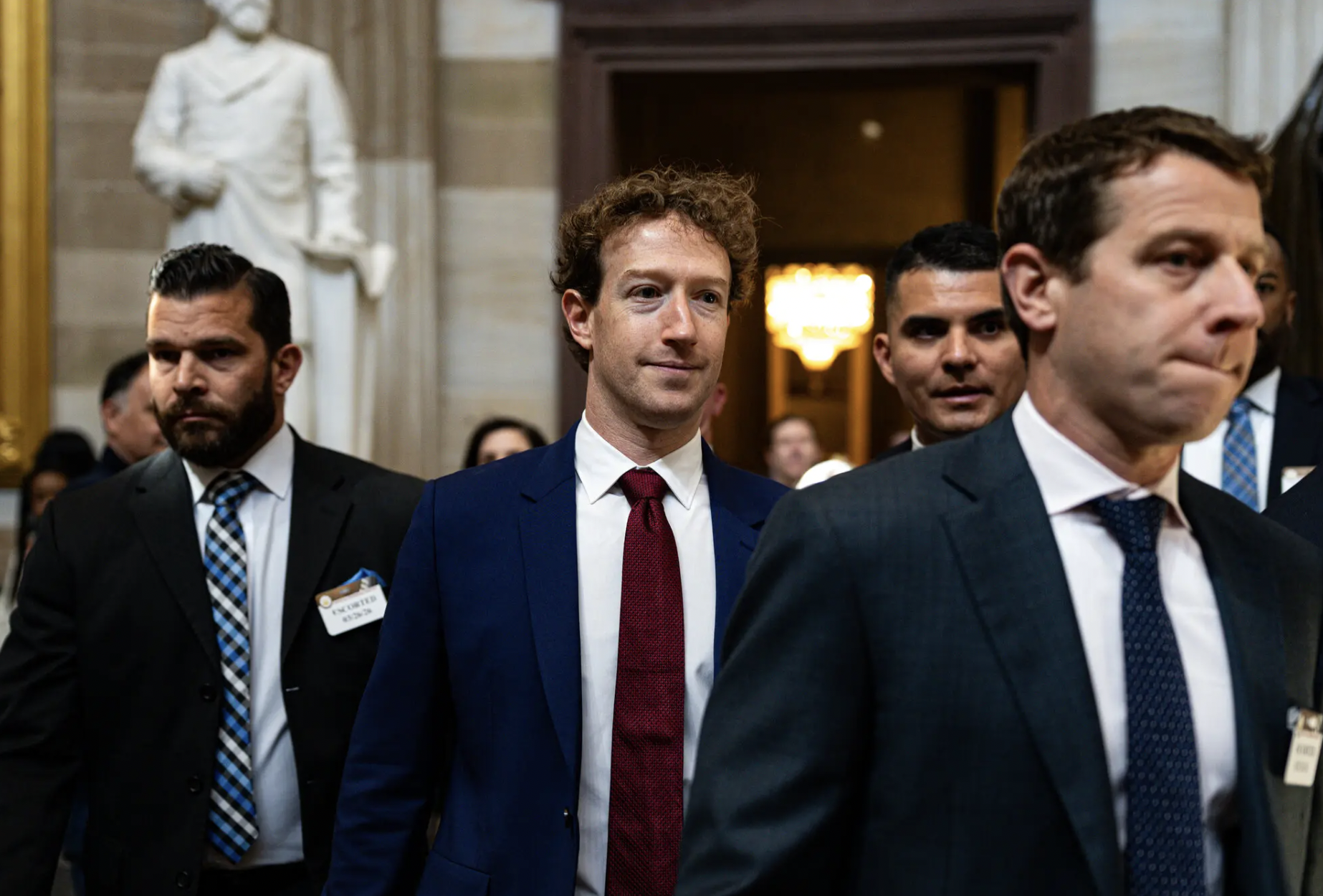

India's chief elections commissioner Gyanesh Kumar on Saturday exhorted the young electors to not only vote without fail, but to also lead the fight against misinformation, disinformation and false narratives.
Times of India
This summer, my colleagues were reporting out a story about the Department of Education’s ‘final mission,’ its effort to undermine public education even as the Trump administration worked feverishly to close the agency.
ProPublica
Misinformation is a relatively new problem in the U.S. But it’s long been an issue in Finland due to the Nordic country’s long-simmering tensions with its often belligerent neighbor, Russia. Finland gained independence from Russia in 1917.
Inc.
For years, people could largely trust, at least instinctively, that seeing was believing. Now, what’s fake often looks real and what’s real often looks fake. Within the first week of 2026, that has already become a conundrum many media experts say will be hard to move past, thanks to AI advances.
NBC News
Iran’s internet shutdown, now in place for 36 hours as the authorities seek to quell escalating anti-government protests, represents a “new high-water mark” in terms of its sophistication and severity, say experts – and could last a long time.
The Guardian
In an age of evolving technologies, parents and educators are drawing from a variety of sources to ensure their children and students under their care receive the most accurate and unbiased information possible.
Anti-Defamation League
Five years ago this week, on Jan. 6, 2021, President Donald Trump told thousands of his supporters in Washington, D.C., to “fight like hell” and to “walk down Pennsylvania Avenue” to protest the allegedly stolen 2020 election.
Stephen RIcher / The Arizona Republic
Since 2018, there’s been a sustained effort to redefine anything that moderately inconveniences a right-wing populist as ‘censorship.’ Labeling a tweet is censorship. Fact-checking is censorship. Speech Jim Jordan doesn’t like is censorship.
Renee DiResta / Agents of Influence
The college students gazed intently at the screen, trying to discern whether the photo was real or created by artificial intelligence. “It’s almost like a smudged painting,” said Quincy Shepherd, a junior. “There’s just something wrong with it.” The photo was, in fact, real.
Government Technology
Just a day and a half before it was set to be broadcast, new CBS News Editor-in-Chief Bari Weiss pulled a planned 60 Minutes investigative segment centering on allegations of abuses at an El Salvador detention center where the Trump administration sent hundreds of Venezuelan migrants last March.
National Public Radio
The recent publication of the Trump administration’s new National Security Strategy showed that the suspension of agreements between the U.S.’s Global Engagement Center and foreign counterparts was no accident. Unilateral disarmament is now official policy. Because—despite its name—this National Security Strategy is not really a strategy document. It is a suicide note.
The Atlantic
FBI Deputy Director Dan Bongino brushed off questions last week about his past claims of a cover up in the case of who planted pipe bombs outside the Democratic and Republican national committee offices a day before the Jan. 6, 2021, Capitol attack.
The Hill
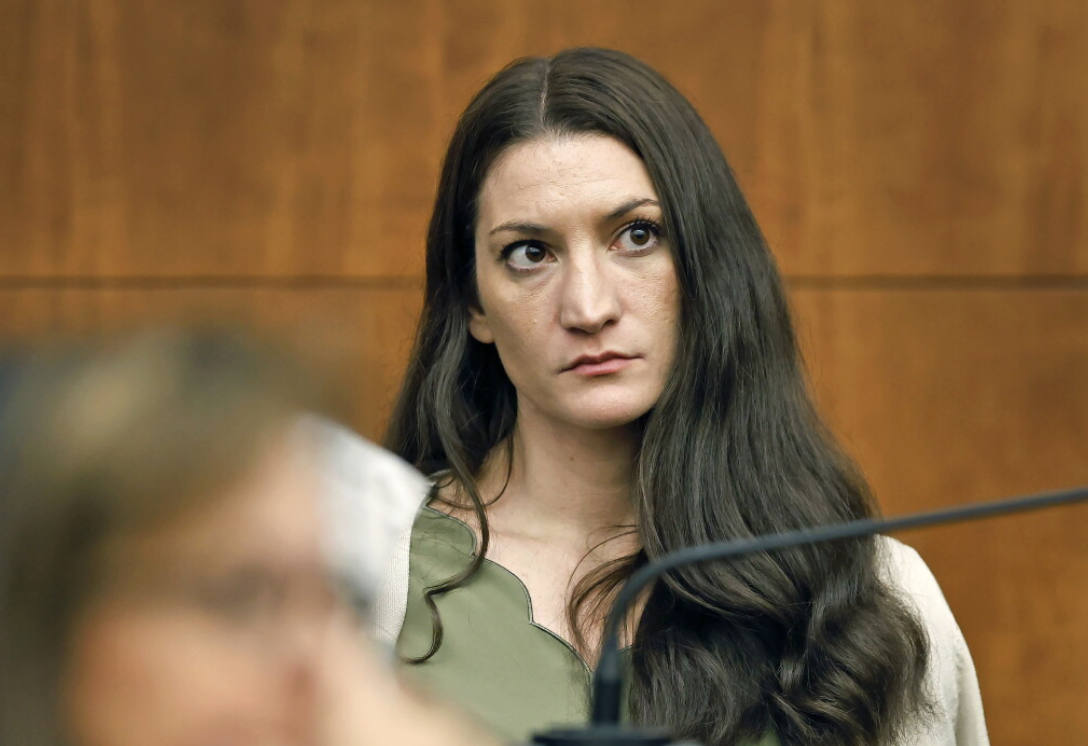
An Arizona couple is facing possible prison time after their parenting practices, shaped by online misinformation about medical care and nutrition, left their 5-month-old child dead and three other children suffering from chronic malnutrition, police and court records show. .
USA Today
TikTok and other social media platforms are hosting AI-generated deepfake videos of doctors whose words have been manipulated to help sell supplements and spread health misinformation. The factchecking organization Full Fact has uncovered hundreds of such videos featuring impersonated versions of doctors and influencers directing viewers to Wellness Nest, a US-based supplements firm.
The Guardian
Why do some people endorse claims that can easily be disproved? It’s one thing to believe false information, but another to actively stick with something that’s obviously wrong. New research, published in the Journal of Social Psychology, suggests that some people consider it a ‘win’ to lean in to known falsehoods.
PsyPost.org
In a new study, researchers at Saarland University analyze how different websites treated robots.txt—and whether there Is a difference between sites measured as reputable versus not reputable, specifically in terms of whether or not they allowed crawling. For many AI companies, “It’s kind of a ‘do now and ask for forgiveness later’ thing,” the lead author says.
Fast Company
A new feature on X has stirred confusion, anger and a wave of online sleuthing after users discovered that the platform was suddenly displaying the surprising locations where certain accounts are based.
NBC News
A new study shows that Latinos who rely on Spanish-language social media for news are significantly more likely to believe false political narratives than those who consume English-language content. The research highlights growing concerns over misinformation targeting Spanish-speaking communities in the United States.
UC San Diego Today
It’s not a small thing that Larry Sanger, Wikipedia’s co‑founder turned chief critic, now argues that The Epoch Times should be treated as a reliable source. Over the past decade, Wikipedia has quietly become the backbone of the internet’s knowledge layer. Volunteer editors argue over wording, vet sources, and hash out disputes in public.
Renee DiResta / Agents of Influence
In June, the secure Signal account of a European foreign minister pinged with a text message. The sender claimed to be U.S. Secretary of State Marco Rubio with an urgent request. A short time later, two other foreign ministers, a U.S. governor, and a member of Congress received the same message.
Foreign Affairs