Fake News, A.I. Deepfakes, and the Pageant of the Unreal
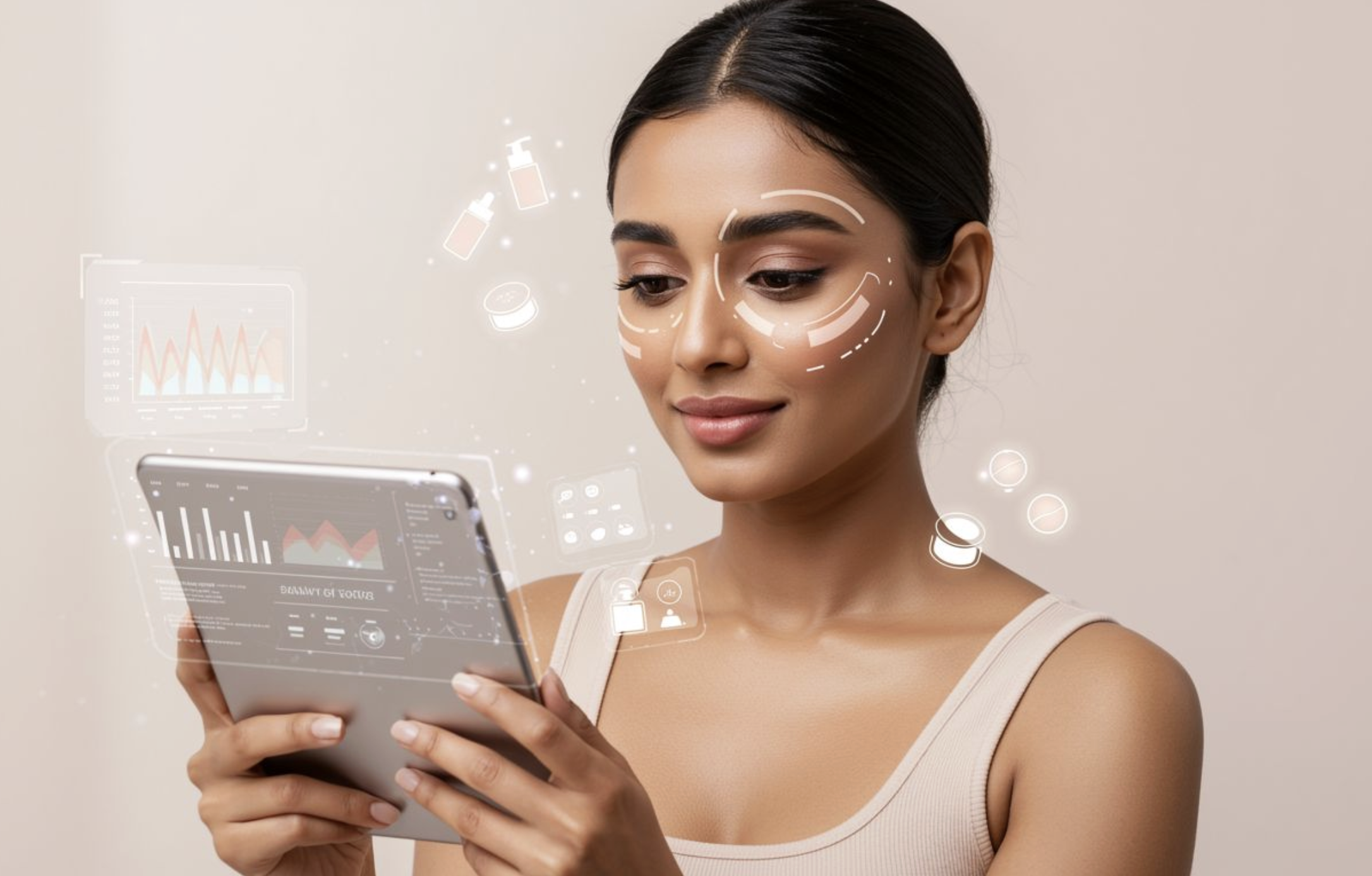
ORBO.ai photo
Psychology Today
I’ve been writing my blog Psych Unseen—about the psychology of false beliefs—for well over a decade now. Back in 2016, just before Donald Trump’s first presidency, I wrote about the concept of “truthiness” (defined by Webster’s dictionary as “truth coming from the gut, not books; the quality of preferring concepts or facts one wishes to be true, rather than concepts of facts known to be true”) in a post called “The Death of Facts: The Emperor's New Epistemology”:
…the history of “truthiness” goes back well beyond a decade ago. A recent article in The Atlantic by Megan Garber credits the historian Daniel Boorstin with the theory that “image” in America became preferred over reality in the century leading up to the 1960s. Garber writes that Boorstin conceived of image as a strict “replica of reality, be it a movie or a news report or a poster of Monet’s water lilies, that manages to be more interesting and dramatic and seductive than anything reality could hope to be” and as a “fundamentally democratic… illusion [that] we have repeatedly chosen for ourselves until we have ceased to see it as a choice at all.” Boorstin, Garber says, “worried that we don’t know what reality is anymore… and we don’t seem to care.” And while Boorstin implicated emerging media in creating the illusion of image, he made that claim in 1962, long before reality TV was a thing.
ADDITIONAL NEWS FROM THE INTEGRITY PROJECT