The Destructive Effects of Misinformation on the Human Brain
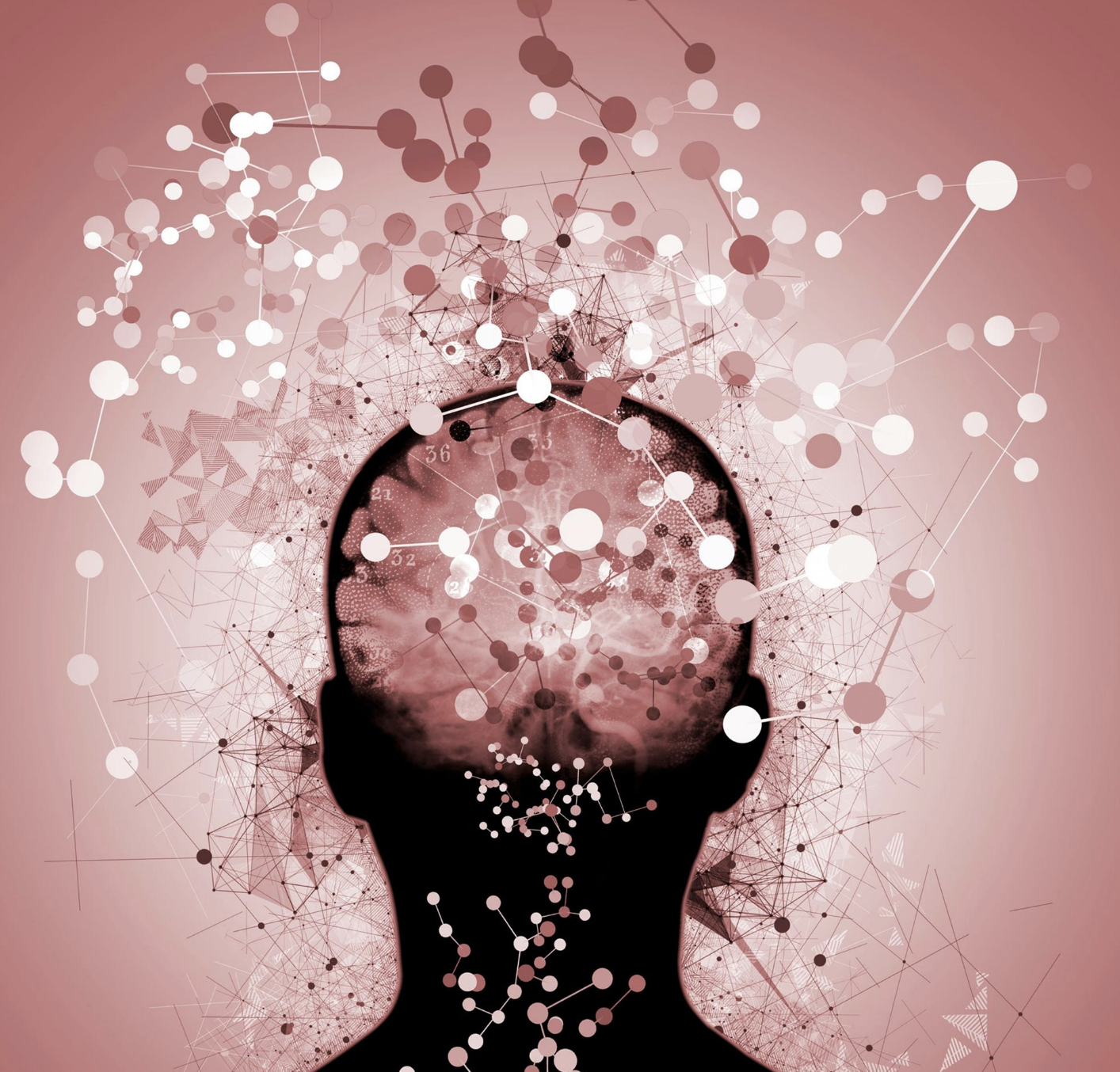
The tendency to believe that our perceptions always reflect the real world, that ‘seeing is believing,’ puts the brain at a disadvantage when encountering misinformation by way of AI, Richard Restak M.D. writes in Psychology Today.
Psychology Today
Pulitzer Prize-winning political cartoonist Michael Ramirez recently depicted three scientists huddled together in a medical lab for The Washington Post. The first looks up from a microscope and ominously states, “It’s the most dangerous pathogen we have come across.” The second scientist, bug-eyed, inquires, “Bubonic plague? Smallpox?” The third provides the answer, “Misinformation and conspiracy theories.”
Information can be thought of as a basic brain nutrient, much like the lungs needing oxygen. Misinformation works to undo the brain’s operation at all levels of functioning, from the molecular to the microscopic to the behavioral.
A millisecond delay in the speed of nerve impulses from the legs of a jogger can lead to a loss of balance with the potential for a severe or even fatal fall; a disturbance in the smooth interplay of neurotransmitters secondary to the introduction of a chemical, such as a psychedelic, may result in psychosis.
LEARN MORE ABOUT THE AUTHOR’S BOOK, THE 21ST CENTURY BRAIN
ADDITIONAL NEWS FROM THE INTEGRITY PROJECT