
The Integrity Project is pleased to announce the selection of Kiera Dunlevy and Riyan Barnett as our 2026-27 J. Blackbourn Media Interns. This talented duo continues a tradition of media innovation in the fight against misinformation.
The Integrity Project

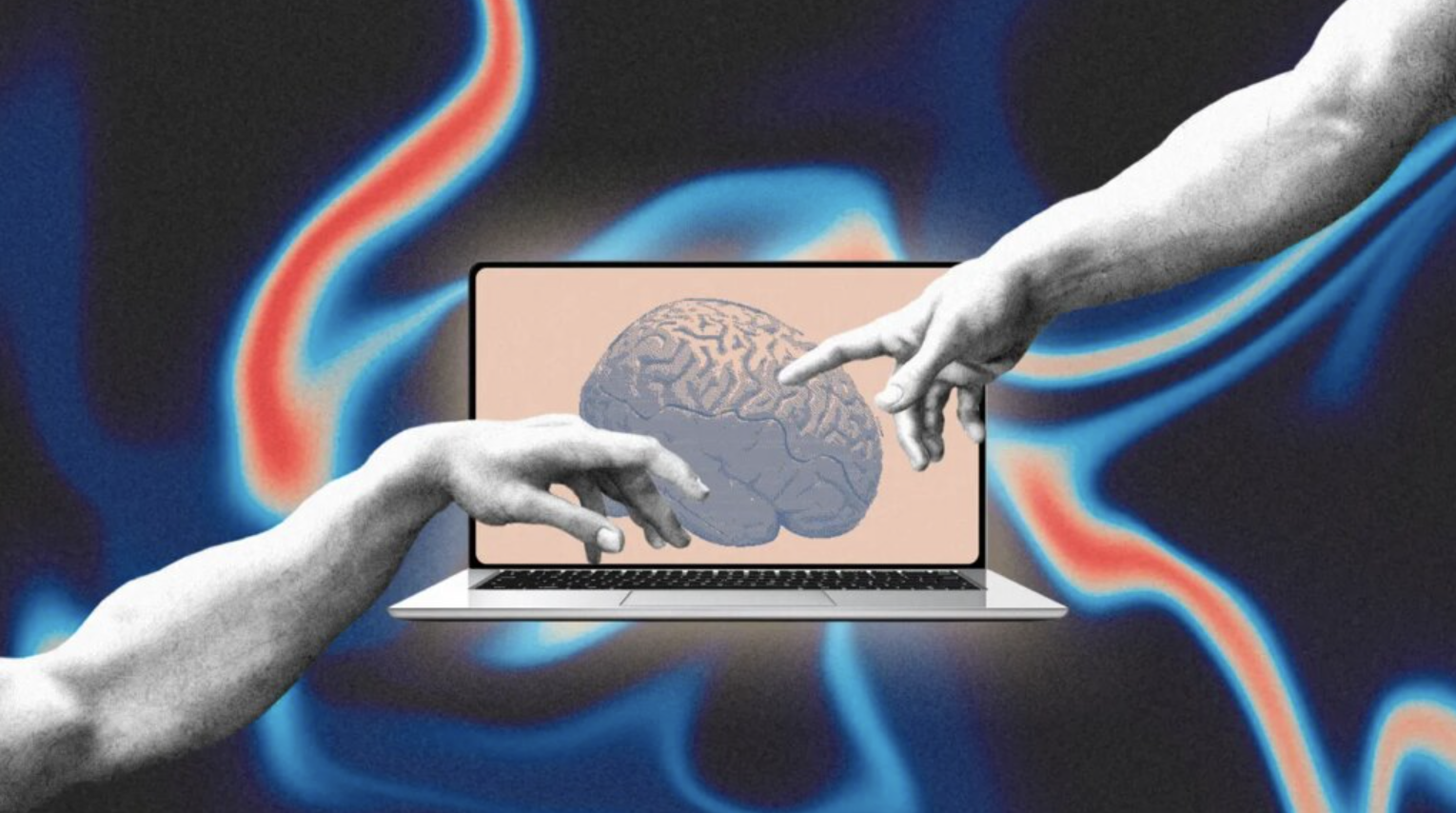
It’s no secret that the last few years have seen a massive explosion in the use of artificial intelligence for general information-gathering. An even more recent trend, though, is how large language models like ChatGPT, Claude, and Gemini are increasingly being used for verifying and consuming news.
Massachusetts Institute of Technology
One in three people believe they don’t have to seek the news from traditional outlets like newspapers and television. Instead, they think the “news will find me” (NFM), relying on algorithms and social networks to get their information.
Penn State University
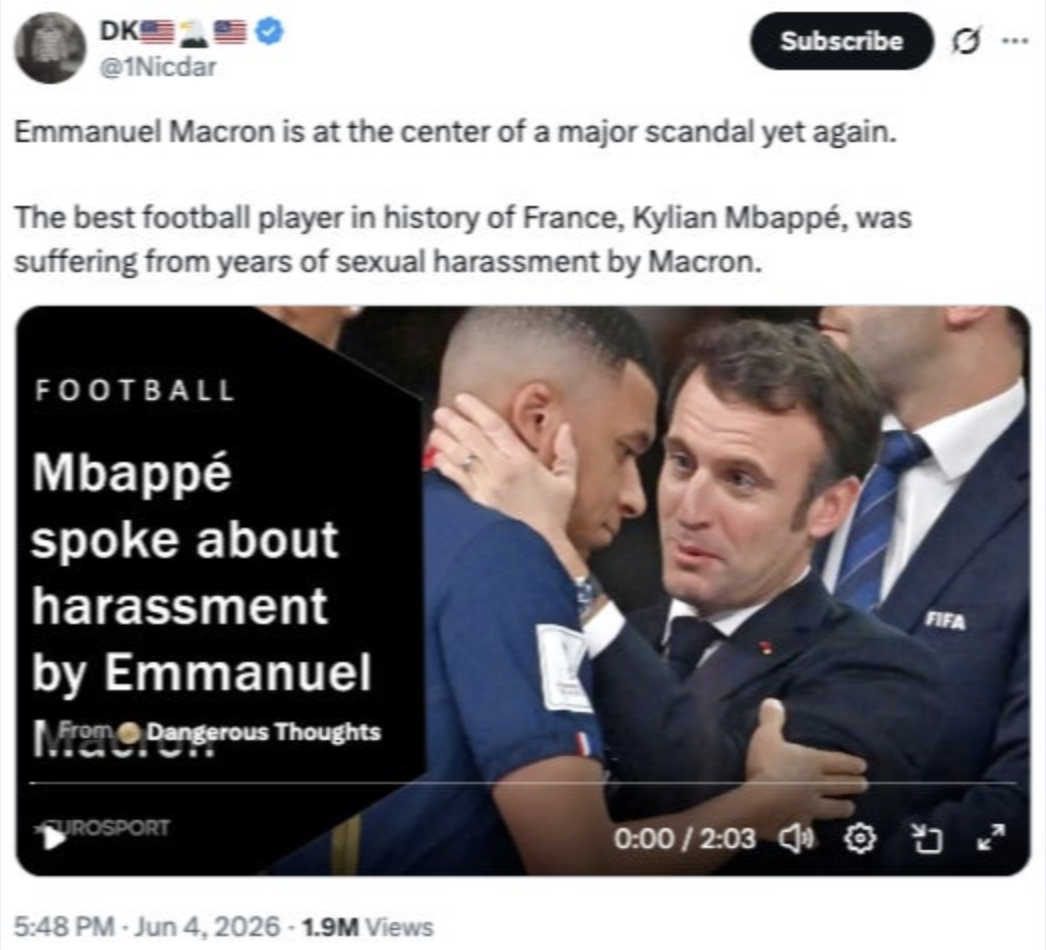
As the World Cup kicked off this week in North America, a pro-Kremlin disinformation campaign is asserting that French soccer star Kylian Mbappé has publicly accused French President Emmanuel Macron of years of sexual harassment, in an apparent effort to discredit a staunch Ukraine ally.
NewsGuard
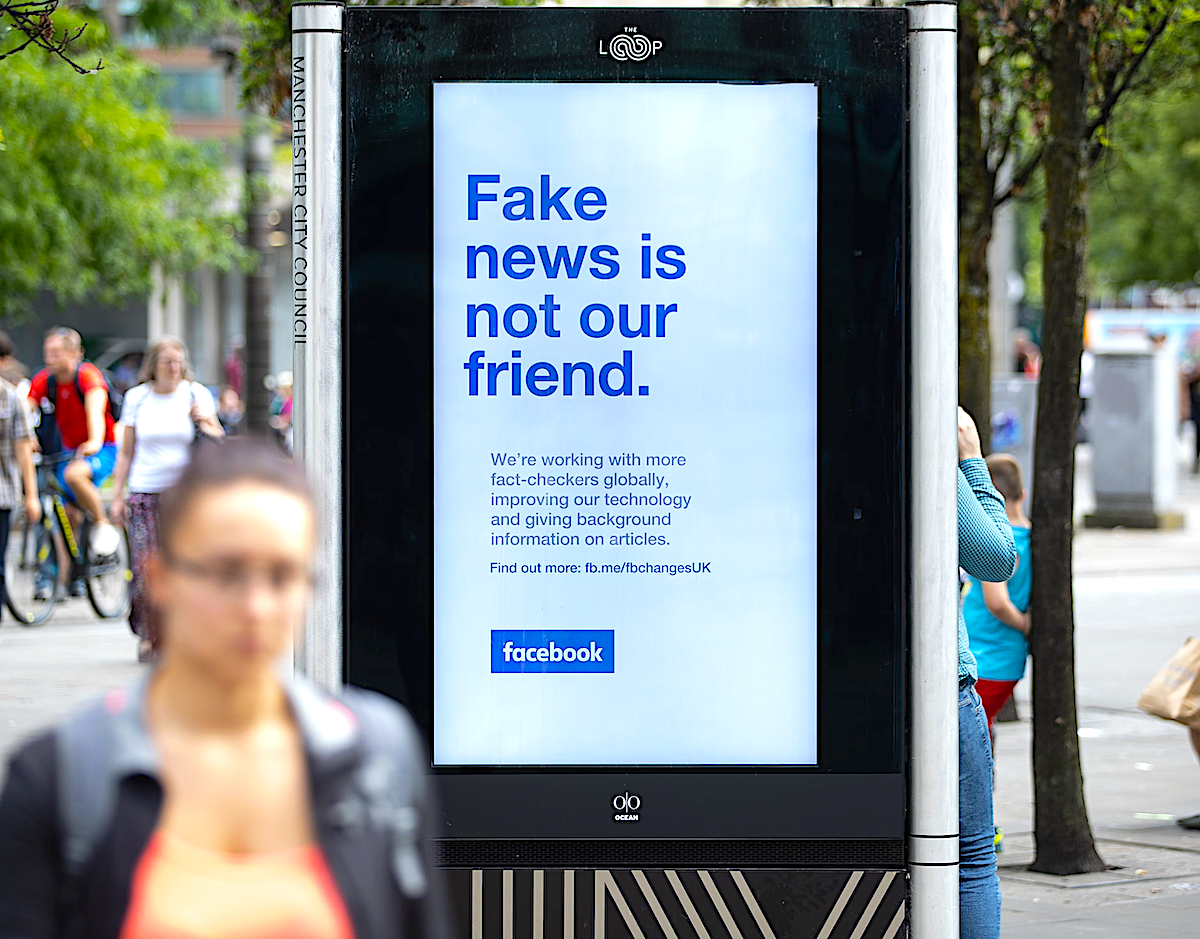
Local social media groups are fueling misinformation in areas with no reliable sources of news, according to an investigation that reveals the scale of fake news flowing to vulnerable communities across Britain.
The Guardian
AI-driven chatbots are increasingly being used as sources of information, but they are also vulnerable to disinformation campaigns. Experts have found that pro-Russian misinformation, in particular, can seep into the responses generated by these conversational agents.
France 24
When political news stories contradict what readers expect from a specific media outlet, those readers tend to think harder about the information and become better at spotting false claims. A recent pair of experiments demonstrated this mental mismatch.
Psypost.org
The conflict involving Iran, Israel, and Lebanon unfolds so rapidly that even major news outlets have a hard time keeping up. But they can help audiences distinguish confirmed developments from rumors and misinformation – and correct themselves when they get it wrong.
The New York Times
New York Times Publisher A.G. Sulzberger warns that A.I. companies are violating settled law and urges news organizations to stand up for their rights to ensure a sustainable future for reporting. He spoke Monday at the WAN-IFRA World News Media Congress in France.
The New York Times
Recent plays are approaching the archival density of the Jeffrey Epstein files. Mark Rosenblatt’s “Giant,” about the children’s book author Roald Dahl, arrived on Broadway this season bristling with monstrous excerpts from published accounts of Dahl’s antisemitic screeds.
The New York Times
If broadcasters want to rebuild trust and remain relevant, they must “liberate their talent” and let their journalists act more like independent creators, Deborah Turness said in a speech in London last month.
Nieman Lab
An Ebola outbreak in eastern Democratic Republic of Congo is spiraling, with health workers struggling to contain the virus as it spreads across a vast, conflict-torn region along with false rumors.
National Public Radio
The polar bear video has millions of views. Set to a haunting piano score that’s become ubiquitous on TikTok, it shows a lone bear swimming between increasingly distant ice floes. The comments section overflows with teenage grief, rage, and helplessness.
Wired
Pro-Trump social media accounts are citing an investigation by conservative influencer Nick Shirley to claim that the fact that 108 people registered to vote from a single address in San Diego proves voter fraud. However, there’s an innocent explanation for the en masse registrations at an address.
NewsGuard Reality Check
Most Americans say it’s important to be healthy, but fewer think they are doing a good job at managing their own health. Around half of the public says they struggle to know which health information is accurate, and most have encountered conflicting advice about their health.
Pew Research Center
In an interview this week on Fox Business, IBM Chairman and CEO Arvind Krishna pressed Washington on the central question facing AI policy: ‘The balance between too many regulations, it’s terrible; too few, we may not love the outcome, so we got to find the Goldilocks middle.’
Fortune
The rise in parents declining the vitamin K shot at birth can be linked to anti-vaccine misinformation even though it helps prevent rare but potentially fatal bleeding in newborns, with shot refusal rates that recently climbed to more than 5 percent of U.S. newborns.
ProPublica
A Harvard Kennedy School Ash Center panel discussion March 26 titled, Digital Coup: The Attack on Democracy You Didn’t See, explains how actions by the Department of Government Efficiency in early 2025 amount to a 'digital coup.’
Harvard Kennedy School / Ash Center
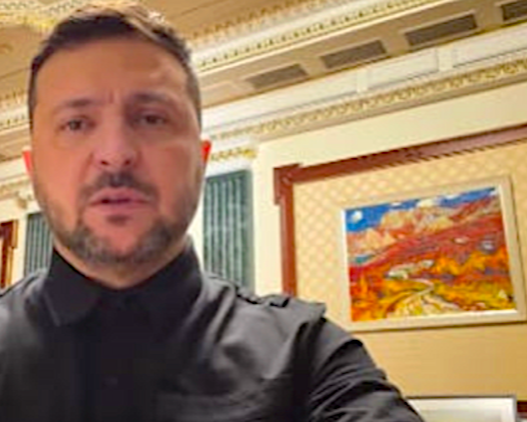
A Russian influence campaign featuring a fabricated BBC news report claims that a famously stolen painting by French impressionist Paul Cézanne was visible behind Ukrainian President Volodymyr Zelensky during a recent address.
NewsGuard