Creator journalism is the most disruptive shift the news industry has seen, ex-BBC News head says
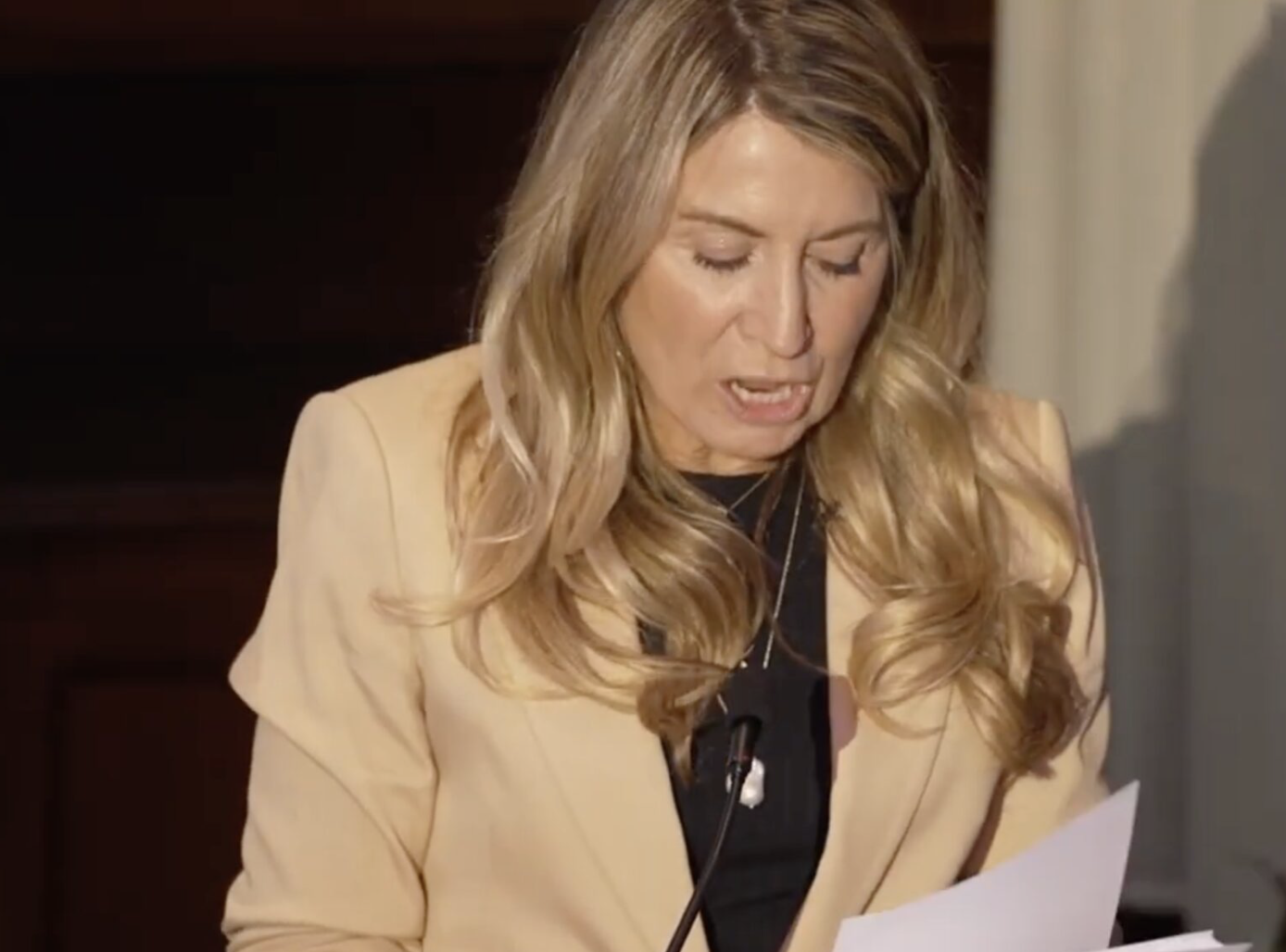
Deborah Turness, the former head of BBC News, delivers the 2026 Sir David Nicholas Memorial Lecture in London last month. She called creator or influencer journalism a disruptive force that legacy media needs to address and adapt to by bringing journalistic standards and reporting to where consumers seek information – YouTube, TikTok, and other social media platforms.
Nieman Lab
If broadcasters want to rebuild trust and remain relevant, they must “liberate their talent” and let their journalists act more like independent creators, Deborah Turness said in a speech in London last month.
“I believe the established media hasn’t confronted the hard truth that this revolution isn’t just about consumers moving to different platforms,” Turness, the former CEO of BBC News, said. “It’s that they are choosing more direct forms of journalism in a more fragmented media universe.”
Turness and BBC director-general Tim Davie resigned from their roles last November following reports that a BBC Panorama documentary about January 6 edited a speech by Donald Trump in a misleading way. (“The edit wasn’t up to editorial standards,” Turness said at Semafor’s Restoring Trust in Media summit in February, “but I don’t accept the charge that it was a sign of institutional bias.”)
In recent months, Turness said, she’s been “on a journey to piece together the new map of our media ecosystem, to gain a deeper understanding of what’s really going on beneath its surface.”
ADDITIONAL NEWS FROM THE INTEGRITY PROJECT