
Broken Bonds: Health influencers capture our attention with emotion, usurp traditional providers. But at what cost?
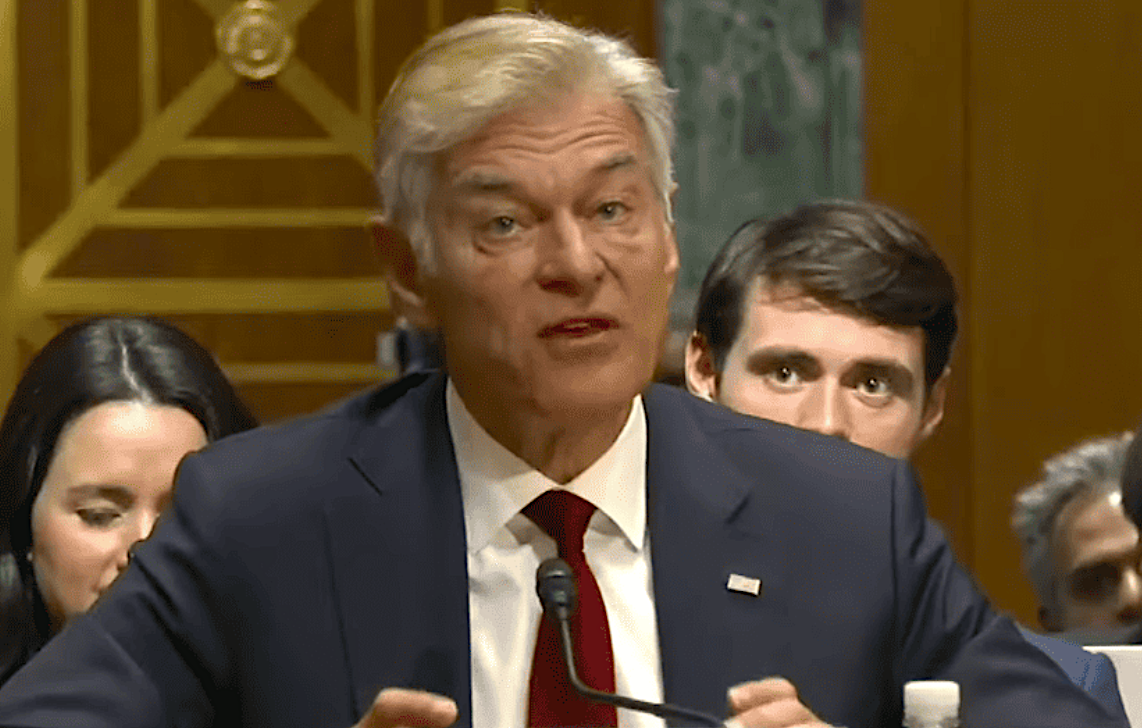
Health influencer and television personality Dr. Mehmet Oz testifies during his Centers for Medicare and Medicaid Services confirmation hearing in 2025. Dr. Oz has been criticized in many cases for some of his uncommon health tips and non-FDA approved product suggestions.
The Integrity Project
For better or worse, social media health influencers have become powerful conduits of public opinion, attitudes, habits, and even medical decisions. Their biggest impact is not simply that they share health tips, but that they compete with certified professionals by packaging advice in emotionally persuasive, highly relatable ways that often feel more immediate than clinical expertise.
Their motives and potential impacts cause us to pause, however. Let's biopsy this.
A new health authority
The rise of influencers as informal health authorities grew out of our social media habits, frustration and expense of traditional medicine, and the intimacy, relatability and immediacy of their message. They've become part of our everyday lives rather than a biannual check-in with our primary care physician.
Half of U.S. adults under age 50 say they regularly find health and wellness information from online influencers, Pew Research shows. Those consumers perceive health influencers as credible, trustworthy, knowledgeable, authentic, and as attractive an option as traditional channels, even when they lack medical credentials. Their advice can feel just as persuasive as guidance from doctors, dietitians, or public health agencies, especially in short-form video environments that reward confidence and simplicity.
In practice, this means a polished anecdote can compete with years of formal training.
The Make America Healthy Again movement, popularized with the confirmation of Robert F. Kennedy Jr. as Secretary of U.S. Health and Human Services in 2025, fits directly into the influencer model with use of wellness language, moral urgency, and influencer-driven storytelling to build trust outside conventional medicine.
Recent reporting shows that MAHA has used creators and social media to shape health narratives, and critics note that this strategy can make emotionally resonant messages about food, chemicals, and “natural” living feel more persuasive than cautious guidance from certified providers. In that sense, MAHA does not just promote a policy agenda; it also shows how health influence can turn trust, identity, and expand into a political force that competes with evidence-based care.
By and large, the health effects have been positive. Studies suggest that some followers adopt healthier habits, such as exercising more and eating more fruits and vegetables, after engaging with health-oriented content. They can also make health information feel less intimidating by translating medical concepts into everyday language and by presenting routines that seem achievable. For audiences who distrust institutions or feel alienated by clinical settings, an approachable creator can serve as a bridge to healthier behavior.
Main concerns, harms
The most serious downside is misinformation. Influencers often discuss nutrition, fitness, mental health, skincare, and supplements without the expertise needed for accurate advice, and experts warn that this can lead to psychological, physical, financial, and systemic harm. People may self-diagnose incorrectly, try inappropriate treatments, spend money on unnecessary products, or delay real care.
Research also consistently finds negative impacts on body image and mood when audiences are exposed to idealized influencer content. In that sense, the harm is not only about false claims but also about the pressure created by unrealistic standards.
Influencers also often rely on financial models that reward emotional persuasion just as much as informational value, which should call their motives into question. They typically earn money through sponsored posts, affiliate links, subscription communities, product sales, consulting, speaking fees, or their own branded supplements, courses, and wellness products. Their income depends on keeping audiences engaged and convinced.
This financial structure encourages content that feels personal, urgent, and transformative, since emotional intensity drives clicks, shares, and purchases. The influencer’s role in this case is to not only communicate health ideas but also to monetize belief, which can blur the line between genuine advice and salesmanship.
Some of the best-known examples are not always “medical influencers” in the strict sense, but wellness and lifestyle influencers who spread health misinformation while monetizing their audiences.
A University of Washington study examined three Instagram accounts—the “Wellness Homesteader,” the “Conspiratorial Fashionista,” and the “Evangelical Mother”—and found that they used anti-vaccine messaging alongside products and services that generated profit. More broadly, reporting and reviews identify celebrity and wellness influencers who promote unproven health claims, sell supplements or courses, and use affiliate marketing, brand deals, or direct product sales to turn misinformation into revenue.
A couple key questions to ask yourself while engaging with influencer content:
• What is the true motivation behind this content?
• Am I being moved by emotions like anger, fear or empathy?
• Can I corroborate the claims being made?
Emotional techniques
A major reason influencers can usurp conventional health providers is that they use emotional techniques that clinical professionals rarely deploy as aggressively. One common method is parasocial bonding, where followers feel as if they know the influencer personally; this one-sided closeness increases trust and lowers skepticism.
Many people now experience health content as a relationship, not just information, the Pew study shows. Influencers do not speak like institutions. They speak like friends, mentors, survivors, or fellow strivers. That style feels personal, immediate, and emotionally resonant, which helps them gain trust faster than traditional providers often can. A physician may offer accurate guidance, but an influencer may offer a story that feels more relatable, more vivid, and more reassuring in the moment.
Influencers often frame health advice through personal struggle, transformation, or recovery narratives, which makes the message feel lived-in and authentic rather than abstract. They use visual proof, such as before-and-after images, curated routines, and body-centered imagery, to make claims feel self-evident even when evidence is weak.
Within this, influencers frequently rely on urgency, certainty, and identity-based appeal. They may present one-size-fits-all answers with strong emotional confidence, which can be more compelling than a cautious clinician who explains uncertainty, risks, and trade-offs. Some use fear, shame, or insecurity to motivate engagement, while others use hope and empowerment to suggest that a single supplement, diet, or habit can transform health.
“Rage bait” and controversy can also boost reach by provoking emotional reactions, which increases visibility through platform algorithms. These tactics work because they convert health into an identity signal: following the creator becomes part of who the audience thinks they are.
Why professionals struggle
Certified health providers usually communicate more slowly, more carefully, and with more limits. They must consider evidence quality, differential diagnosis, contraindications, and ethical constraints, which makes their messaging less dramatic and less shareable. Influencers, by contrast, can speak with total confidence, use emotionally charged language, and tailor content to what audiences already want to hear.
That asymmetry matters because people often confuse confidence with competence, especially online. The result is a credibility gap in which simplicity and charisma can outrun expertise.
In some cases, influencers have reversed course, such as during the current measles outbreak in Texas, South Carolina and Utah. After seeing outbreaks hit their own communities, and former vaccine opponents posting about children getting sick, some influencers are saying, “you can change your mind.” Suggesting personal loss, fear, and visible local harm, their emotional pleas can break through prior distrust more effectively than abstract public health warnings.
The best response is not to dismiss all influencers, but to distinguish between helpful communicators and harmful ones. Public health experts suggest coordinated action from governments and platforms to reduce misleading advice while preserving the ability of trustworthy creators to spread accurate information.
Health agencies and clinicians can also improve their own communication by using clearer language, stronger narratives, and more platform-native formats without sacrificing accuracy. The goal is to make evidence-based guidance emotionally legible, not just scientifically correct.
Social media health influencers matter because they have changed the way people decide what counts as credible health advice. They shape feelings, identities, and trust. Their power comes from emotional closeness, narrative, and algorithm-friendly certainty, and those same tools can either support healthier behavior or undermine it depending on how responsibly they are used.
This story is still evolving, and doctors and health influencers will no doubt have something to say about it. Tell us about your experience with health influencers and how it has impacted your overall well-being.