Growing Health Misinformation Crisis: Most people believe at least one of six common medical myths

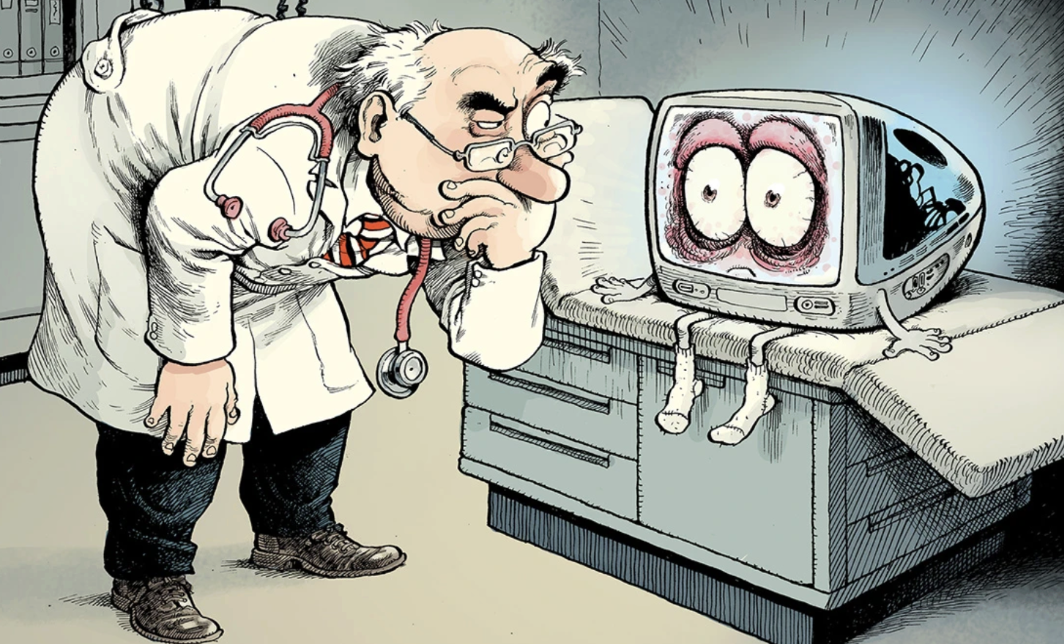
The systematic use of medical misinformation which is tainted with unlicensed health influencers causes confusion among an unsuspecting public that consumes much of its information on social media.
FORTUNE
For years, the working theory about health misinformation was reassuringly simple: It was a fringe problem, confined to a narrow slice of the population—the deeply partisan, the undereducated, the chronically online. A sweeping new global survey blows that theory apart.
The 2026 Edelman Trust Barometer Special Report: Trust and Health, based on responses from more than 16,000 people across 16 countries, found that seven in 10 people worldwide believe at least one of six widely debunked health claims to be true.
False claims to which survey respondents answered, “I believe this is true,” include:
• Animal protein is healthier (32%)
• Fluoride in water is harmful or unhelpful to health (32%)
•Risk of childhood vaccinations outweighs benefits (31%)
• Raw milk is healthier than pasteurized (28%)
• Acetaminophen/paracetamol use during pregnancy causes autism (25%)
• Vaccines are used for population control (25%)
READ THE FULL 2026 EDELMAN TRUST AND HEALTH BAROMETER SPECIAL REPORT
ADDITIONAL NEWS FROM THE INTEGRITY PROJECT