It’s not just gen Z – older adults need help spotting online misinformation, too
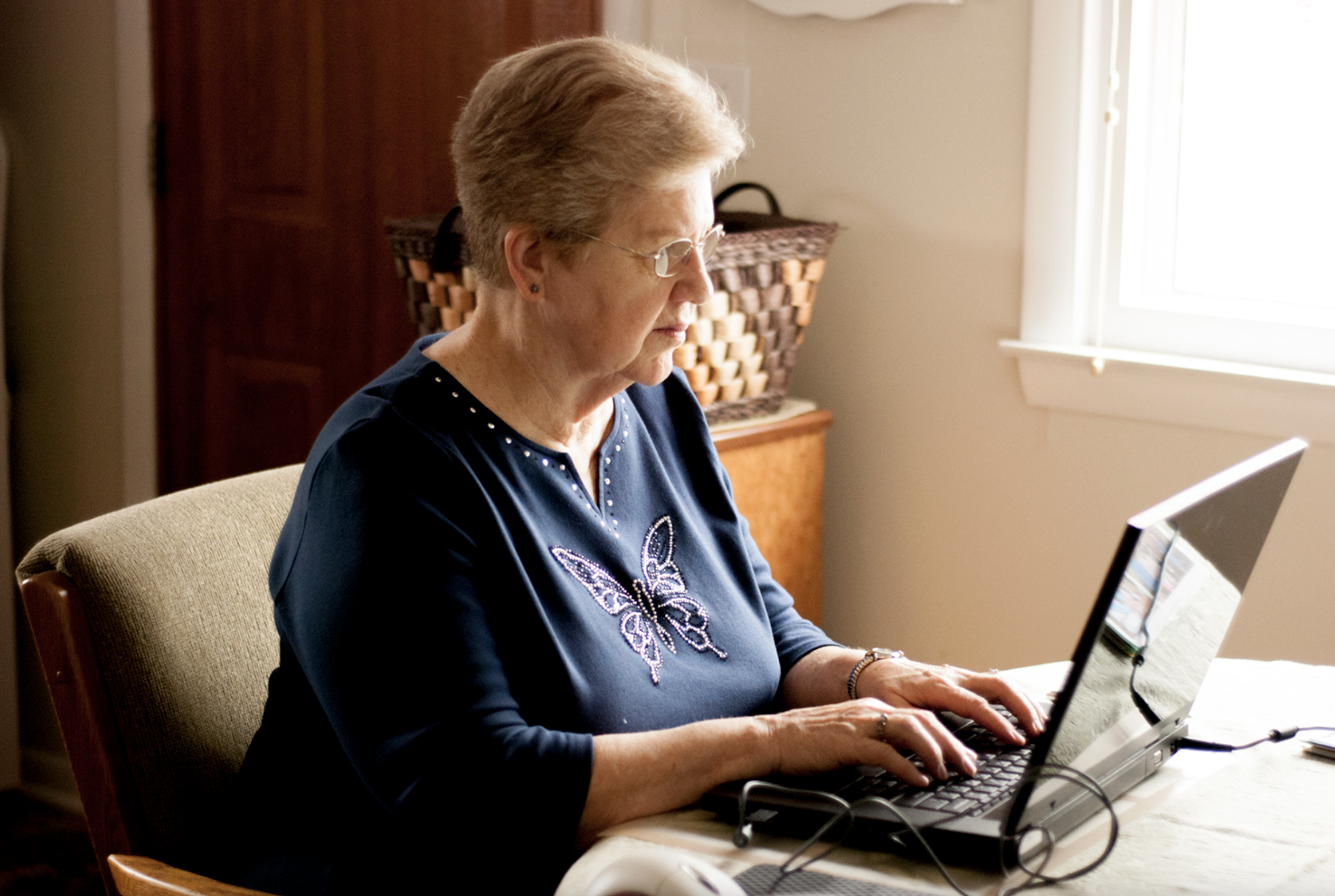
Political misinformation on social media impacts voter opinion. Amid the 2016 Presidential election, inaccurate stories supporting the conservative party were shared 30 million times on Facebook, with people aged 65-plus shared sharing more fake news during this period. Older adults have also been found to show higher partisan bias, the author of The Conversation article reports. This means that they are more likely to trust content which agrees with their political views. University of Wisconsin photo
The Conversation
Given the ongoing and often heated debate about banning social media for under-16s, it’s easy to assume that young people are the only group at risk of online harm. Misinformation research often focuses on younger people, and multiple studies do identify younger groups, such as generation Z, as vulnerable to online deception.
But evidence shows that older adults are just as, if not more, likely than younger generations to believe misinformation. Despite the spread of misinformation online, around 15% of adults rarely or never consider if news items are true. Indeed, adults aged 65 and older shared nearly seven times more fake news links during the 2016 US election, in comparison to younger users. Older adults may be more at risk of believing falsehoods due to changes such as memory loss and lower digital skills.
READ THE AUTHOR’S RECENT RESEARCH PAPER IN ITS ENTIRETY
ADDITIONAL NEWS FROM THE INTEGRITY PROJECT