I tried to prove I'm not AI. My aunt wasn't convinced
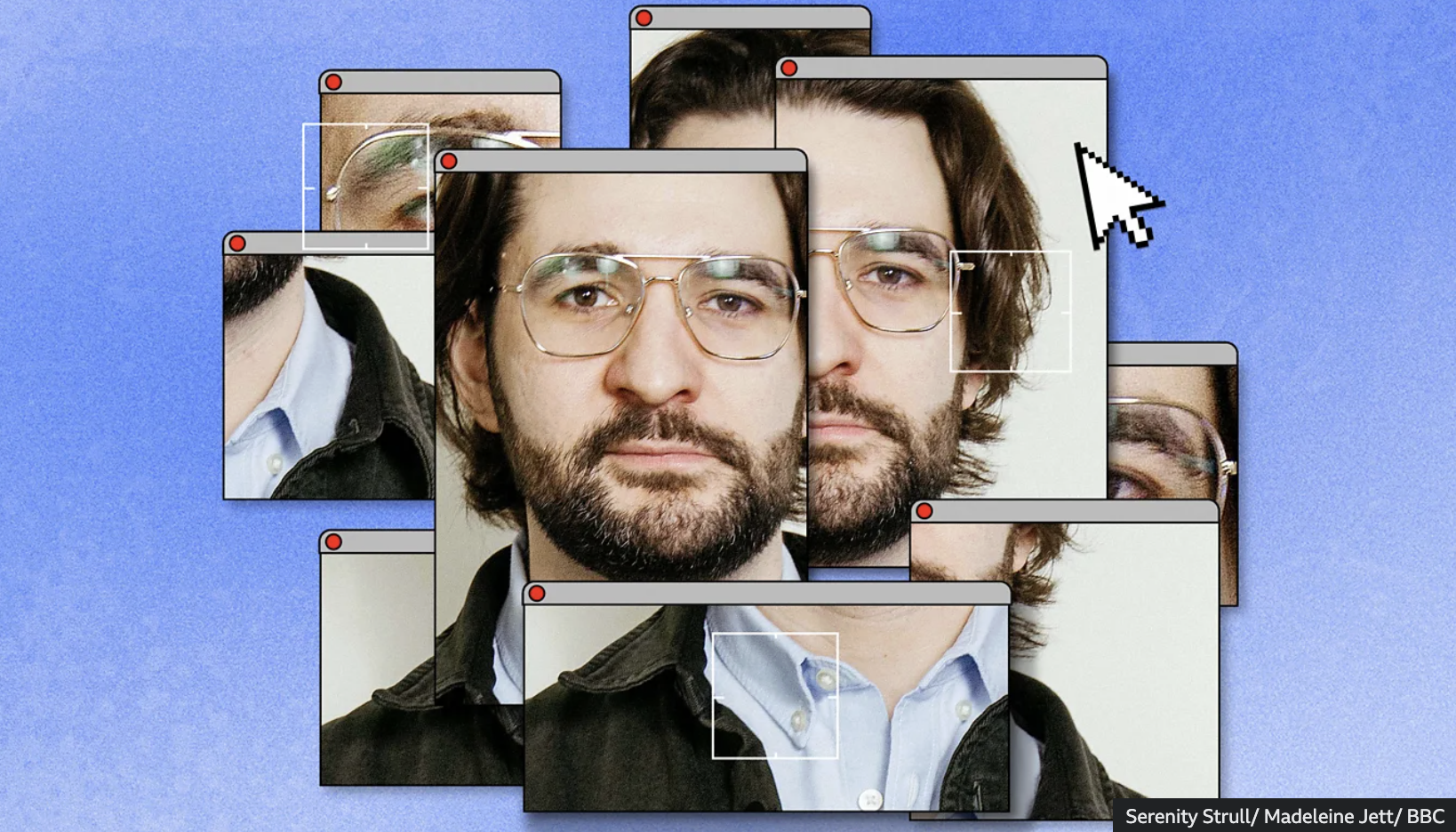
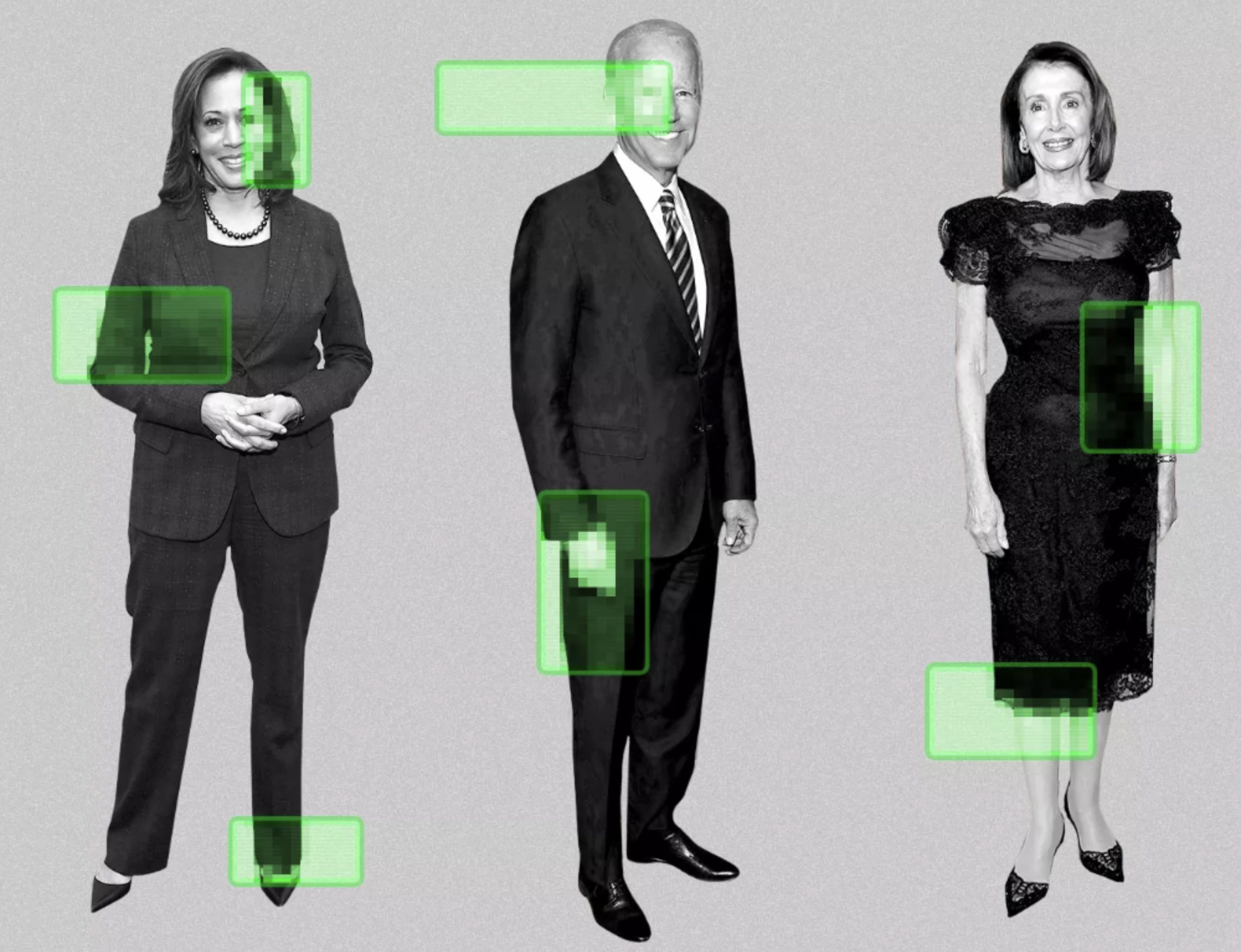
What if someone accuses you of being a deepfake? How do you prove you're real? BBC technology reporter Thomas Germain explores these and other questions related to artificial intelligence. Photo illustration by Serenity Strull and Madeleine Jett / BBC
BBC
I called up my aunt Eleanor a few days ago and asked her to help with an experiment. "It's for an article," I said. I had explained I was going to call her back and she'd either be talking to the real me or an AI deepfake. Could someone who's known me my whole life tell the difference?
At first, my aunt wasn't buying that any AI was involved. "Well, it sounds like you," she said. "I think a real person uses a lot more inflection than I would expect an AI-generated voice to use." That might be true, I told her, but AI is getting pretty advanced. There was a long pause. "I was like 90% sure," she said, hesitating. "But that sounded more artificial."
When we talk about deepfakes, the typical concern is about you getting tricked. Rightly so. AI fakery has been used to scam people out of large sums of money, spread misinformation and even attempt to sway elections. But what if the shoe was on the other foot? What if someone accuses you of being a deepfake? How do you prove you're real?
ADDITIONAL NEWS FROM THE INTEGRITY PROJECT