These newsgames are promoting media literacy in young people
Unsurprisingly, 96% of Europe’s young people, those aged 16 to 24, use the internet daily. As shown by the Digital News Report, the younger demographic is relying more on social platforms for their news than news websites.
International Journalists’ Network
Read More
No, you’re not that good at detecting fake videos − 2 misinformation experts explain why and how you can develop the power to resist these deceptions
Someone tracking the conflict raging in the Middle East could have seen the following two videos on social media. The first shows a little boy hovering over his father’s dead body, whimpering in Arabic, “Don’t leave me.”
The Conversation
Read More
Lauded vaccine scientist calls anti-science movement a national health threat
Baylor University’s Dr. Peter Hotez spoke last week at an event sponsored by The Integrity Project and held at Arizona State University’s Sandra Day O’Connor College of Law.
ASU News
Read More
VIDEO: Integrity Project experts prominently featured in KTAR's 'Arizona Votes 2024: One Year Out'
This is the fifth in a five-part series called “Arizona Votes 2024: One Year Out,” which will examine the lead-up to the upcoming election in Arizona.
KTAR News
Read More
Tech Companies Are Taking Action on AI Election Misinformation. Will It Matter?
Meta announced Wednesday (Nov. 8) that it would require labels for political ads that have been digitally altered, using AI or other technology, in ways that could be misleading.
TIME
Read More
CBS News launches venture to identify AI deepfakes and misinformation
CBS News is launching a new venture designed to identify IA generated deepfakes and misinformation. CBS News Confirmed, to be led by Claudia Milne and Ross Dagan, will produce segments on the findings of a team of journalists who will analyze the content.
Deadline
Read More
United Facts of America Nov. 6-8 will feature top-flight voices on elections, AI, vaccines
The United Facts of America festival is for everyone interested in fact-based expression, civic engagement and facts’ function in a free society. There is no cost to attend online.
Poynter Institute/PolitiFact
Read More
Explaining News to Our Kids: Knowing how and when to talk – and when to listen – can help
Kids of all ages are getting news from a variety of places. Whether it's from friends, TikTok, YouTube, or home, they can be inundated with information, different perspectives, and even graphic images and videos of breaking news.
Common Sense Media
Read More
Musk: X Users Won’t Make Money Off Corrected Tweets
Creators whose posts on X, formerly called Twitter, have been corrected or amended by the platform's “community notes” feature won’t be able to make money off of them, X owner Elon Musk said Sunday, in a change he says is meant to prioritize "accuracy over sensationalism."
Forbes
Read More
How to deal with visual misinformation circulating in the Israel-Hamas war and other conflicts
In the three weeks since war began between Israel and Hamas, social media has been taken over with images and stories of attacks, many of which proved false.
The Conversation
Read More
Canadian government issues call for proposals to support fight against misinformation
The Government of Canada has announced a large step in combating the spread of misinformation and disinformation online, allocating funding under the Digital Citizen Initiative.
IT World Canada
Read More
Google Search can now help verify an image’s origins
Google is starting to roll out its new “About this image” tool, which aims to provide essential background information and context about images in Google Search. The feature was first announced at Google’s I/O developer conference in May, and now it’s rolling out to English users globally.
The Verge
Read More
Meta sued by 42 attorneys general alleging Facebook, Instagram features are addictive and target kids
A bipartisan group of 42 attorneys general is suing Meta, alleging that features on its Facebook and Instagram social media platforms are addictive and are aimed at kids and teens, the group announced Tuesday. The support from so many state attorneys general of different political backgrounds indicates a significant legal challenge to Meta’s business.
CNBC
Read More
The ‘new elites’ of X: Identifying the most influential accounts engaged in Hamas/Israel discourse
Since the first news of the attack on Israel by Hamas, we have seen anecdotal reports from users of X (formerly Twitter) that the platform has become less useful for surfacing verified news and more generally disorienting.
Center For An Informed Public
Read More
VIDEO: Disinformation Summit reveals difficulties journalists face during 'democratic backslide'
How should journalists responsibly engage political actors during an era of democratic backsliding? That question was the basis for a conversation last week at the Cambridge Disinformation Summit.
University of Cambridge
Read More
As misinformation surges during the Israel-Hamas war, where is AI?
A recent crowdsourced fact check — from X’s Community Notes — claimed a graphic image from the Israel-Hamas war was generated with artificial intelligence. It wasn’t.
Poynter
Read More
Supreme Court will decide Biden-GOP clash over social media and COVID disinformation
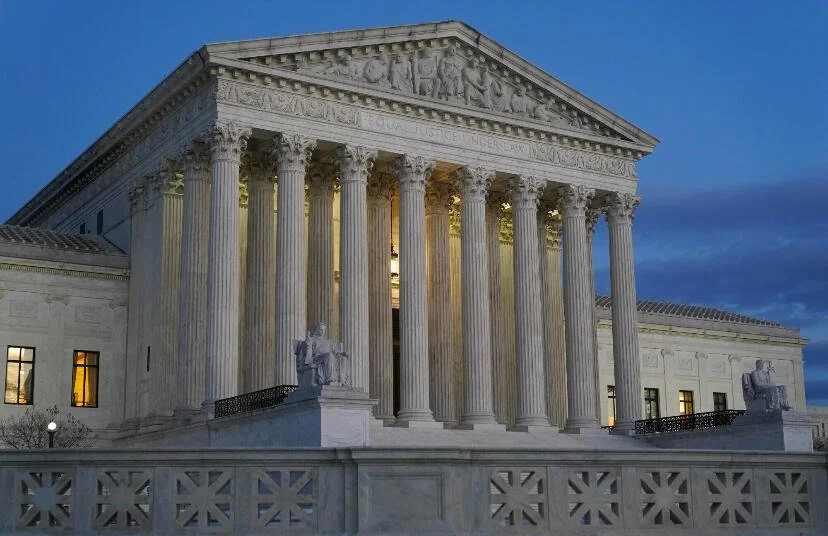
The Supreme Court agreed Friday to hear a second major case on social media and will decide whether the Biden White House violated the 1st Amendment when it urged platforms to take down "misinformation and disinformation" about COVID-19.
Los Angeles Times
Read More
TikTok says it has acted to curb disinformation amid Israel-Hamas war
TikTok has said it has assigned more people to combat disinformation on its platform after the attack on Israel by Hamas after the European Union chastised the social media company.
The Guardian
Read More
BBC expert on debunking Israel-Hamas war visuals: 'The volume of misinformation on Twitter was beyond anything I’ve ever seen'
Shayan Sardarizadeh is a senior journalist covering disinformation, extremism and conspiracy theories for BBC Monitoring’s disinformation team as part of BBC Verify. Since Hamas attacked Israel on 7 October, he’s debunked dozens of misleading visuals on social media and published his findings on widely read threads on Twitter, now known as X.
Reuters Institute
Read More
This War Shows Just How Broken Social Media Has Become
Social media has, once again, become the window through which the world is witnessing unspeakable violence and cruelty in an active war zone. Thousands of people, including children and the elderly, have been killed or injured in Israel and the Gaza Strip since Hamas launched its surprise attack on Saturday—you have probably seen the carnage yourself on X, TikTok, or Instagram.
The Atlantic
Read More