Social media is flooded with out-of-context videos and images users claim are coming from Israel or Gaza. Finding the original source is key.
Poynter

Social media is flooded with out-of-context videos and images users claim are coming from Israel or Gaza. Finding the original source is key.
Poynter
Text-based tools like ChatGPT can create convincing-sounding academic articles on a subject, complete with citations that can fool people without a background in the topic of the article. Video-, audio- and image-based AI can successfully spoof people’s faces, voices and even mannerisms, to create apparent evidence of behaviour or conversations that never took place at all.
The Conversation
One viral video claims to show a Hamas fighter shooting down an Israeli helicopter — but it's a clip from the video game Arma 3. A video purporting to show an Israeli woman being attacked in Gaza was filmed in 2015 in Guatemala.
National Public Radio
My University of Washington colleagues and I study online rumors, conspiracy theories, and disinformation. In the past year, research like ours has come under fire — often by some of the same individuals and organizations that benefit from the spread of falsehoods.
Kate Starbird/The Seattle Times
Misinformation researchers and authors of The Misinformation Age: How False Beliefs Spread Cailin O’Connor and James Owen Weatherall of the University of California Irvine spent an evening with The Integrity Project last week.
The Integrity Project
Brent Lee struggles to explain why he used to believe that a cabal of evil satanic paedophiles was working to establish a new world order. He pauses, looks sheepish, and says: “I cringe at all this now.”
The Guardian
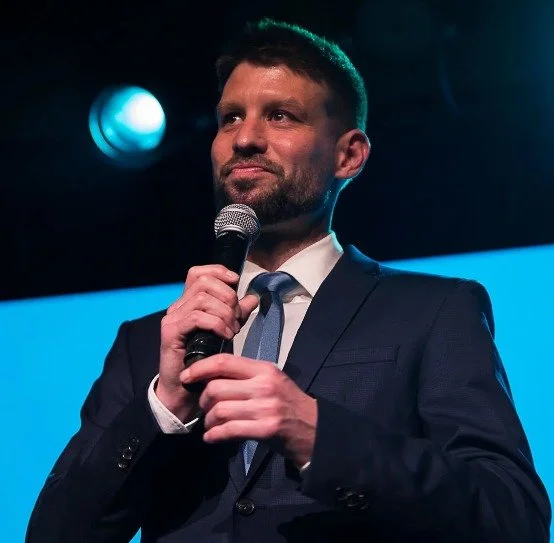
Just two days before Slovakia’s elections, an audio recording was posted to Facebook. On it were two voices: allegedly, Michal Šimečka, who leads the liberal Progressive Slovakia party, and Monika Tódová from the daily newspaper Denník N. They appeared to be discussing how to rig the election, partly by buying votes from the country’s marginalized Roma minority.
WIRED UK
The Chinese government is investing billions of dollars annually into a global campaign of disinformation, using investments abroad and an array of tactics to promote Beijing’s geopolitical aims and squelch criticism of its policies, according to a new State Department assessment.
The Wall Street Journal
It’s been a bleak year for the media. Just this past spring, news companies slashed budgets and instituted widespread layoffs, with a particularly rough round of executions that culminated in the end of BuzzFeed News and Vice News Tonight. At the same time, there’s been a growing complaint that no one—least of all Gen Z—has media literacy anymore.
Slate
On a recent Sunday morning, dozens of Beyoncé fans pass through the lobby of the Hotel ZaZa wearing T-shirts from the Houston native’s Renaissance World Tour, while Dr. Peter Hotez, a virologist and Bayou City transplant, sits on a green sofa talking about an era when science was celebrated. “The point is we are no longer living in the Dark Ages,” Hotez says. “We’ve benefited from the age of Enlightenment. The fact that scientists are targeted is what gets me so upset.”
Houston Chronicle
The number of fact-checking operations at news organizations and elsewhere has stagnated, and perhaps even fallen, after a booming expansion in response to a rise in unsubstantiated claims about elections and the pandemic. The social networking companies that once trumpeted efforts to combat misinformation are showing signs of waning interest.
The New York Times
Academics, universities and government agencies are overhauling or ending research programs designed to counter the spread of online misinformation amid a legal campaign from conservative politicians and activists who accuse them of colluding with tech companies to censor right-wing views.
The Washington Post
According to YouTuber Patrick Humphrey, the country is collapsing, and everyone needs to prepare. His online account chronicled a summer filled with cascading calamities.
Poynter
Around the time of the 2016 election, YouTube became known as a home to the rising alt-right and to massively popular conspiracy theorists. The Google-owned site had more than 1 billion users and was playing host to charismatic personalities who had developed intimate relationships with their audiences, potentially making it a powerful vector for political influence.
The Atlantic
The Google DeepMind team has believed for years that building great generative AI tools also requires building great tools to detect what has been created by AI. There are plenty of obvious, high-stakes reasons why, says Google DeepMind CEO Demis Hassabis. “Every time we talk about it and other systems, it’s, ‘What about the problem of deepfakes?’”
The Verge
Designing ways to fight back against falsehoods that can trigger tensions, violence, or even death, the UN has been monitoring how mis- and disinformation and hate speech can attack health, security, stability as well as progress towards the Sustainable Development Goals (SDGs).
UN News
The classic vision of therapy revolved around a person on a couch, supine, tapping into their deepest and darkest hopes and fears. A modern-day remix might look like this: a person still on a couch, but at home, scrolling through a constantly refreshing selection of mental-health content on social-media platforms like TikTok and Instagram.
TIME
Erica is on YouTube, detailing how much it costs to hire a divorce attorney in the state of Massachusetts. Dr. Dass is selling private medical insurance in the UK. But Jason has been on Facebook spreading disinformation about France’s relationship with its former colony, Mali. And Gary has been caught impersonating a CEO as part of an elaborate crypto scam.
Wired
YouTube is set to begin cracking down on cancer treatment misinformation Tuesday, the video streaming platform's latest in its efforts against medical misinformation.
USA Today