Does misinformation on Facebook and Instagram change what you believe?
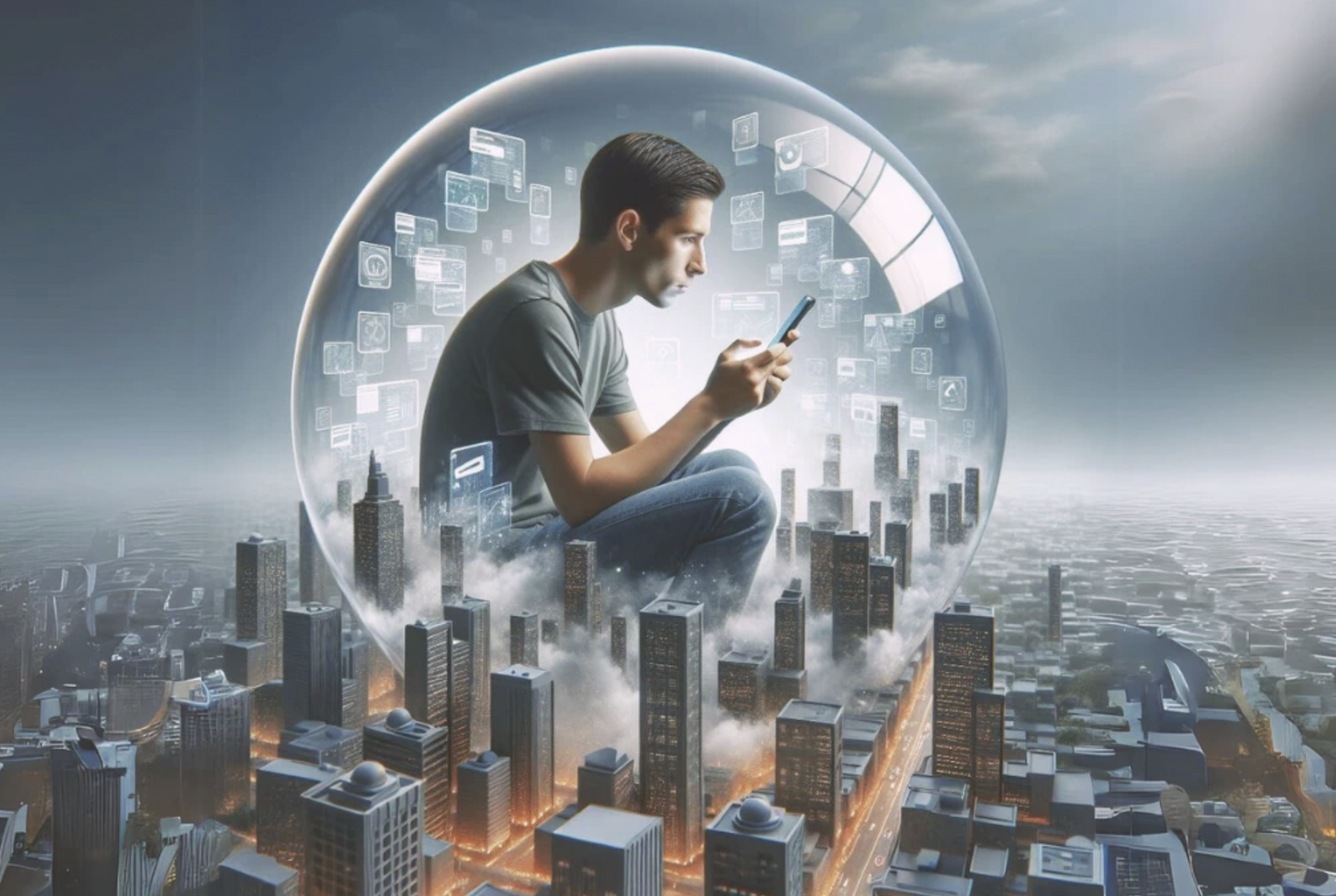
UC Berkeley research found that platform algorithms didn’t change political views during the 2020 election cycle, but fed and amplified deeper factors like existing partisan identity, social communities, and confirmation bias, which increased polarization through echo chambers and information bubbles.
University of California Berkeley
For years, social media companies have faced pressure from users and government watchdogs to stop misinformation from distorting elections, deepening political divisions and undermining Americans’ trust in institutions.
But what if dramatically reducing people’s exposure to unreliable sources that frequently spread misinformation doesn’t actually change what they believe?
UC Berkeley Political Science Ph.D. student Olivier Bergeron-Boutin tested that question on Facebook and Instagram during the 2020 presidential election. In a new paper published in Science Advances, titled “Untrustworthy sources on Facebook and Instagram in 2020,” Bergeron-Boutin and his coauthors report findings from a large-scale study in which an independent group of academics partnered with researchers at Meta.
READ THE FULL REPORT PUBLISHED IN SCIENCE ADVANCES
ADDITIONAL NEWS FROM THE INTEGRITY PROJECT