
Working to Combat Propaganda in Overlooked Languages
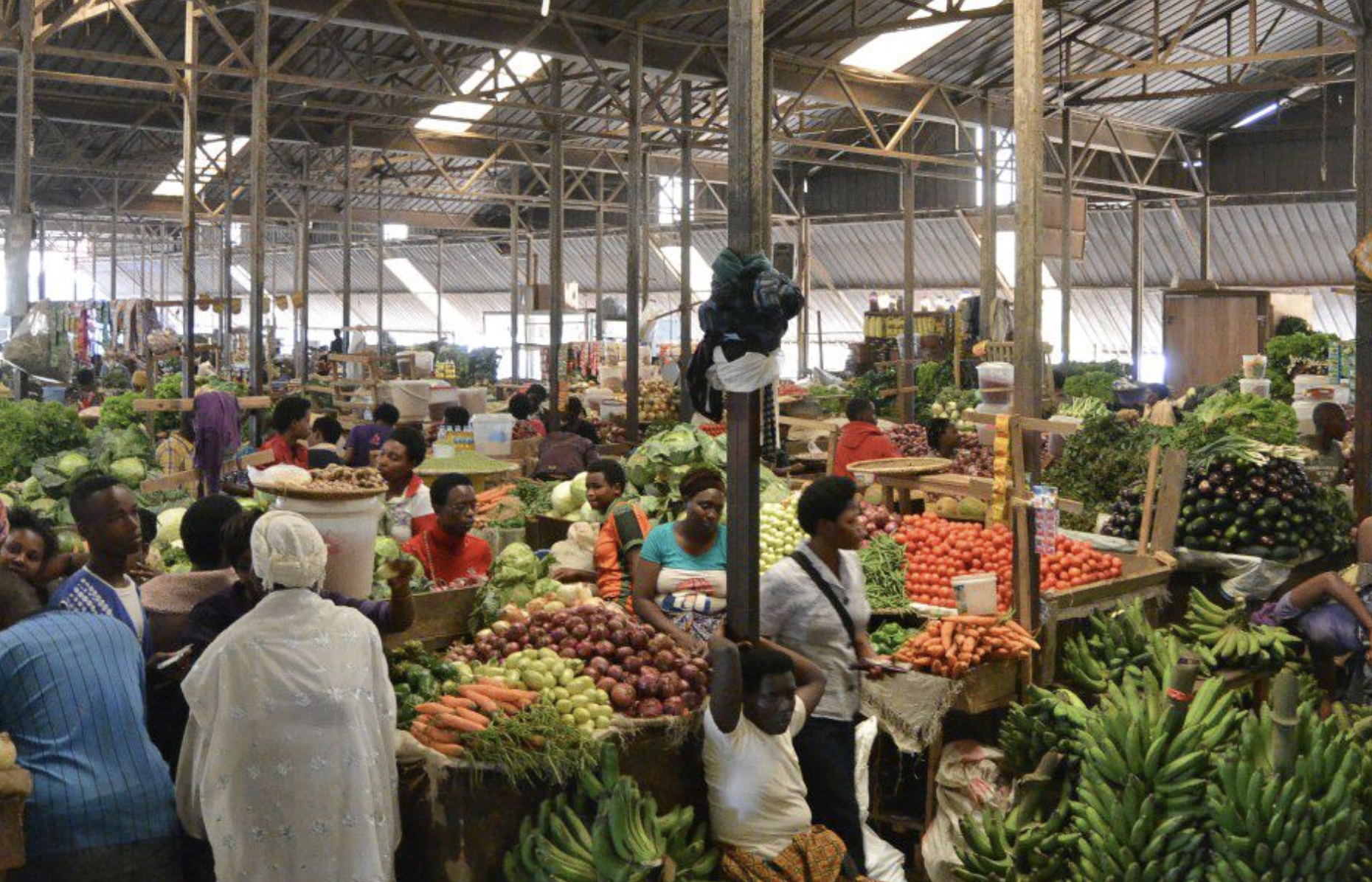
Inside a bustling market in Kigali, Rwanda, an African nation plagued by misinformation and propaganda. A Dartmouth computer science undergraduate has developed a digital tool that identifies bogus information in Kinyarwanda, the national language.
Dartmouth College
A new study led by computer science undergraduate Fabrice Niyigaba reports the first digital tool for identifying online propaganda in Kinyarwanda, the national language of Rwanda’s 15 million people—and possibly the first for any of the Bantu languages spoken by 350 million Africans.
As social media and artificial intelligence accelerate the spread of misinformation, Niyigaba created the dataset KinyaProp to fill a critical void when it comes to languages like Kinyarwanda that are “substantially overlooked in AI research,” he says.
While commercial platforms like Claude and ChatGPT exhibit near-human precision in spotting propaganda in languages such as English and Arabic, Niyigaba says, they are “essentially nonfunctional” at recognizing it in Kinyarwanda, according to results he presented July 6 at the annual meeting of the Association for Computational Linguistics in San Diego.
READ THE FULL KINYAPROP REPORT BY THE DARTMOUTH COLLEGE AUTHORS
ADDITIONAL NEWS FROM THE INTEGRITY PROJECT